
Lumbini
Where Queen Mayadevi gave birth to Siddhartha Gautama, and the plan that has governed the site since 1978.
The Promised GroupNine ventures. One platform.
Explore the group- Born
- 563 BCE
- District
- Rupandehi, Nepal
- UNESCO
- World Heritage · 1997
- Master plan
- Kenzo Tange · 1978
- Area
- 1 × 3 sq mi
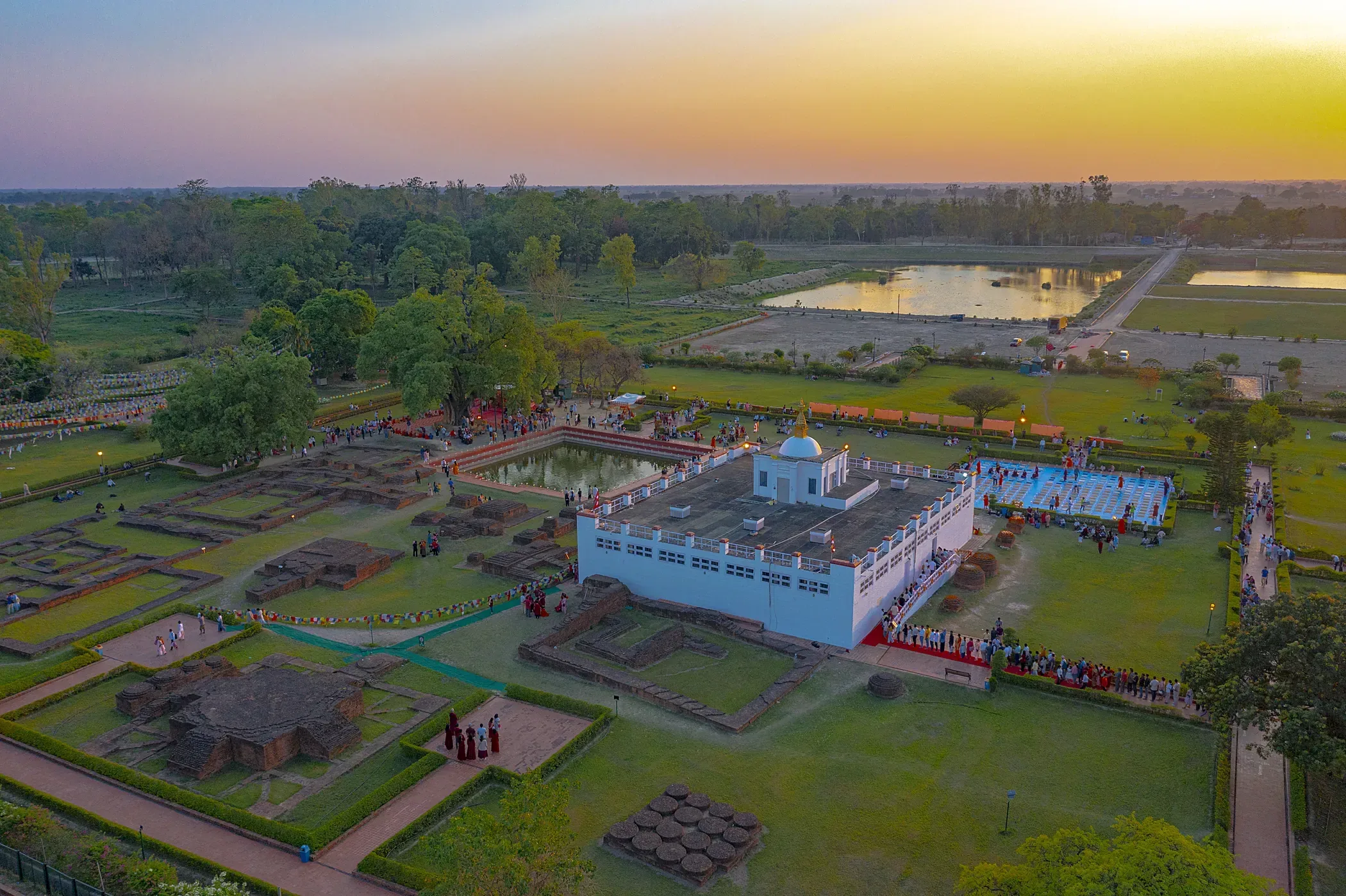
In the year historians place at 563 before the common era, in a garden at Lumbini, Queen Mayadevi gave birth to Siddhartha Gautama, the man the world would come to know as the Buddha. Tradition holds she stood beneath a sal tree and reached for a branch as he was born, and that the newborn prince rose, took seven steps in each of the four directions, and spoke his first words, a declaration, the scriptures say, to vanquish sickness and death like a lion free of fear. The spot of the birth itself is marked today by a sandstone tablet inside the Maya Devi Temple, set into the floor at the exact point archaeologists believe the birth took place, a stone that has been buried, lost, rediscovered and argued over for more than a century, and is now the single most precisely located event in the Buddha's biography.
A few steps from the temple stands a sandstone pillar raised by the emperor Ashoka in the third century before our era, on a visit he made in the twentieth year of his own reign. Its inscription is one of the very few physical objects on earth that can be dated, with confidence, to within Buddhism's first two centuries, the first epigraphic evidence anywhere that names this ground as the Buddha's birthplace.
“Beloved-of-the-Gods, King Piyadasi, having been anointed twenty years, came himself and worshipped this spot, because the Buddha, the sage of the Sakyas, was born here… He also caused a stone pillar to be erected, that the exact spot of the Buddha's birth might be indicated. He made the village of Lumbini free of taxes, and paying only an eighth part of the produce.”
The Rummindei Pillar InscriptionAshoka, c. 249 BCE · trans. after Hultzsch & the Department of Archaeology, Nepal
The pillar itself carries a longer, stranger history than its words alone suggest. Rediscovered on 1 December 1896 by Dr. Anton Führer and General Khadga Shamsher, it was found broken and buried, its crowning ornament, a horse, according to the seventh-century pilgrim Xuanzang, who saw it still in place, already gone and never recovered. What survives is a single sandstone monolith 30 feet 10.5 inches (9.41 metres) long, quarried, as later excavation by the Indian archaeologist Debala Mitra confirmed, from the same Chunar quarries near Varanasi that supplied Ashoka’s other pillars across the subcontinent. A second, later hand added to it: in 1312 CE, Ripu Malla, a king of western Nepal, engraved his own line of homage, “Om Mani Padme Hum, Ripu Malla, may he live long”, on the pillar’s upper face, a Buddhist mantra cut by a Hindu king fifteen centuries after Ashoka’s visit, itself now a fragment of the site’s history rather than a defacement of it.
The temple that shelters the birth-spot has its own layered past. First rediscovered in 1896 alongside the pillar, its mound was excavated and reconstructed in 1939 under Keshar Shumsher, and rebuilt again in its present form in 2003 by the Lumbini Development Trust. Excavation beneath the temple between 1992 and 1996 uncovered the Marker Stone itself, resting on a platform of seven brick courses dating to the third century BCE. Beside it, discovered in fragments by the archaeologist P. C. Mukherji in 1899, is the Nativity Sculpture: a red sandstone relief carved by the Mathura school of art in the fourth century CE, depicting the birth scene itself, Mayadevi’s arm still raised to the branch. Twenty-five paces to the south-west lies the Puskarini, the Sacred Pond, where tradition holds Mayadevi bathed before the birth.
The most consequential single find came later than any of these, and later than most visitors realise. A joint excavation by Nepal’s Department of Archaeology, the Lumbini Development Trust and Durham University, carried out between 2010 and 2013, cut beneath the visible brick layers of the temple and uncovered a timber shrine dating to the sixth century BCE. It is, on the current archaeological record, the earliest physical evidence of a Buddhist shrine anywhere on earth, built, the excavators concluded, within a plausible lifetime of the birth it marks.
Lumbini was inscribed as a UNESCO World Heritage Site in 1997, recognised under two distinct criteria: as the birthplace attested by the Ashoka Pillar's own inscription, and for the archaeological record of viharas and stupas spanning the third century BCE to the fifteenth century CE that the ground still holds. Around the Maya Devi Temple, excavation has so far uncovered thirty-one stupas, twenty-nine votive, one relic, one dhamma, evidence of eighteen centuries of continuous pilgrimage before the site's long modern eclipse. Every year Lumbini receives several hundred thousand pilgrims, scholars and travellers, drawn from a global Buddhist community usually estimated above five hundred million, arriving at a sacred garden ringed by monasteries built in the architectural idiom of dozens of nations, one of the few places on earth where so many of the world’s Buddhist traditions share a single square mile of ground.
Kenzo Tange, and the patience such places require
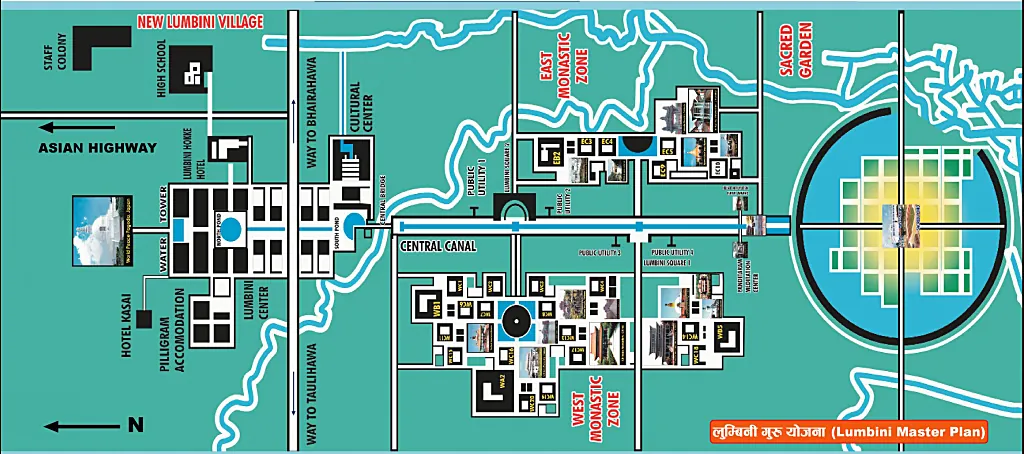
The framework governing everything built at Lumbini traces to a single visit. In 1967, U Thant, then Secretary-General of the United Nations, and Buddhist himself, travelled to his ancestral region and stood at his own tradition's birthplace. What he found troubled him enough to bring the matter to the United Nations. In 1972 the Japanese architect Kenzo Tange, already renowned for his rebuilding of Hiroshima, was commissioned to design a master plan; he visited Lumbini that year, and after six years of survey and revision the plan was formally endorsed by the Government of Nepal in 1978.
Tange divided the site into three zones across an area of one by three square miles, oriented on a single north–south axis, laid out, in the plan’s own governing idea, as a path to enlightenment, each zone a square mile in itself.
The Sacred Garden
The epicentre of the whole plan, and the exact birthplace: the Maya Devi Temple, the Marker Stone, the Nativity Sculpture, the Ashoka Pillar, and the Sacred Pond, held inside a circular pond and levee that trace the outline of a mandala, walked by pilgrims performing both an inner circumambulation of the garden and an outer one around the levee.
The Monastic Zone
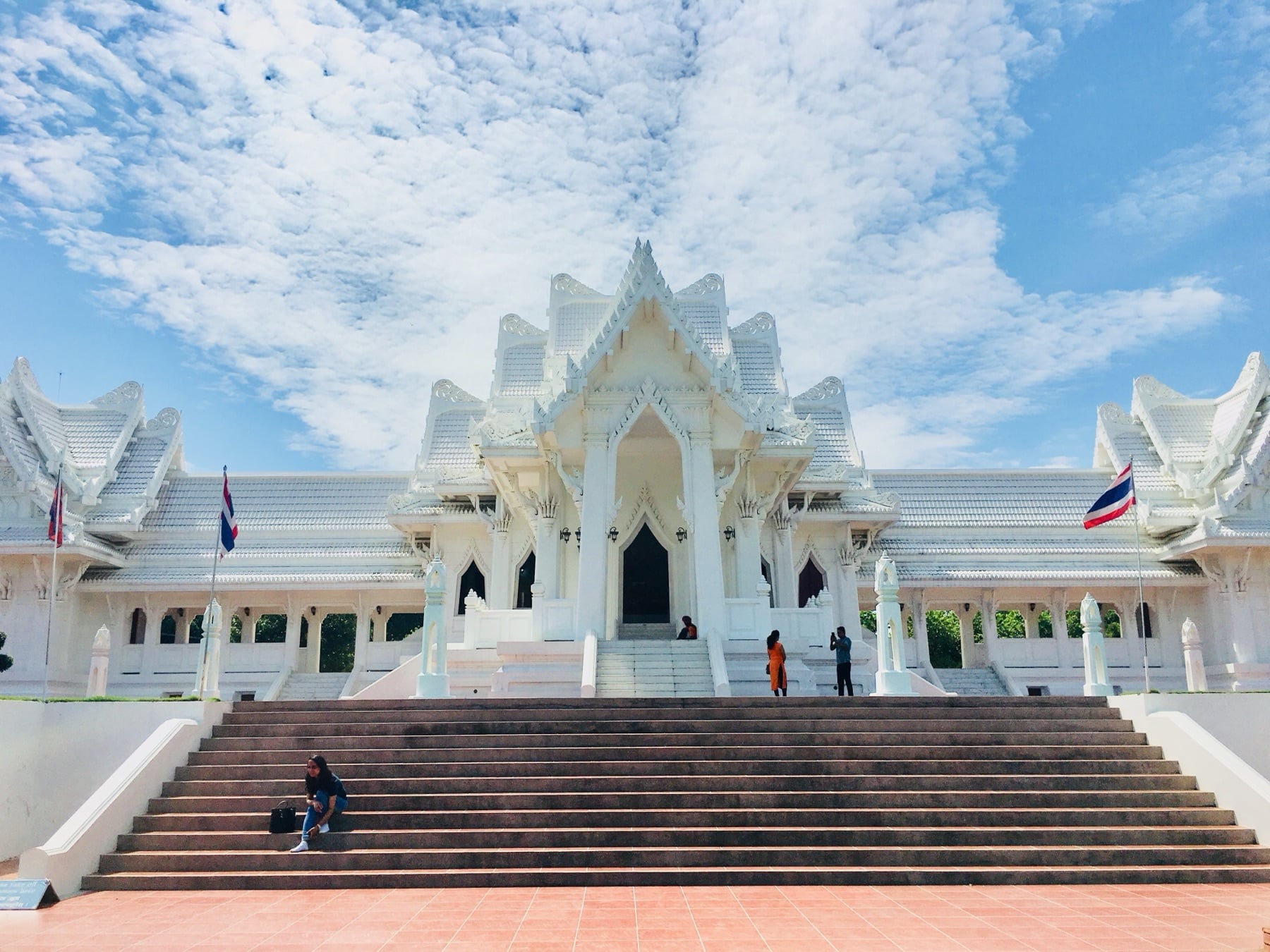
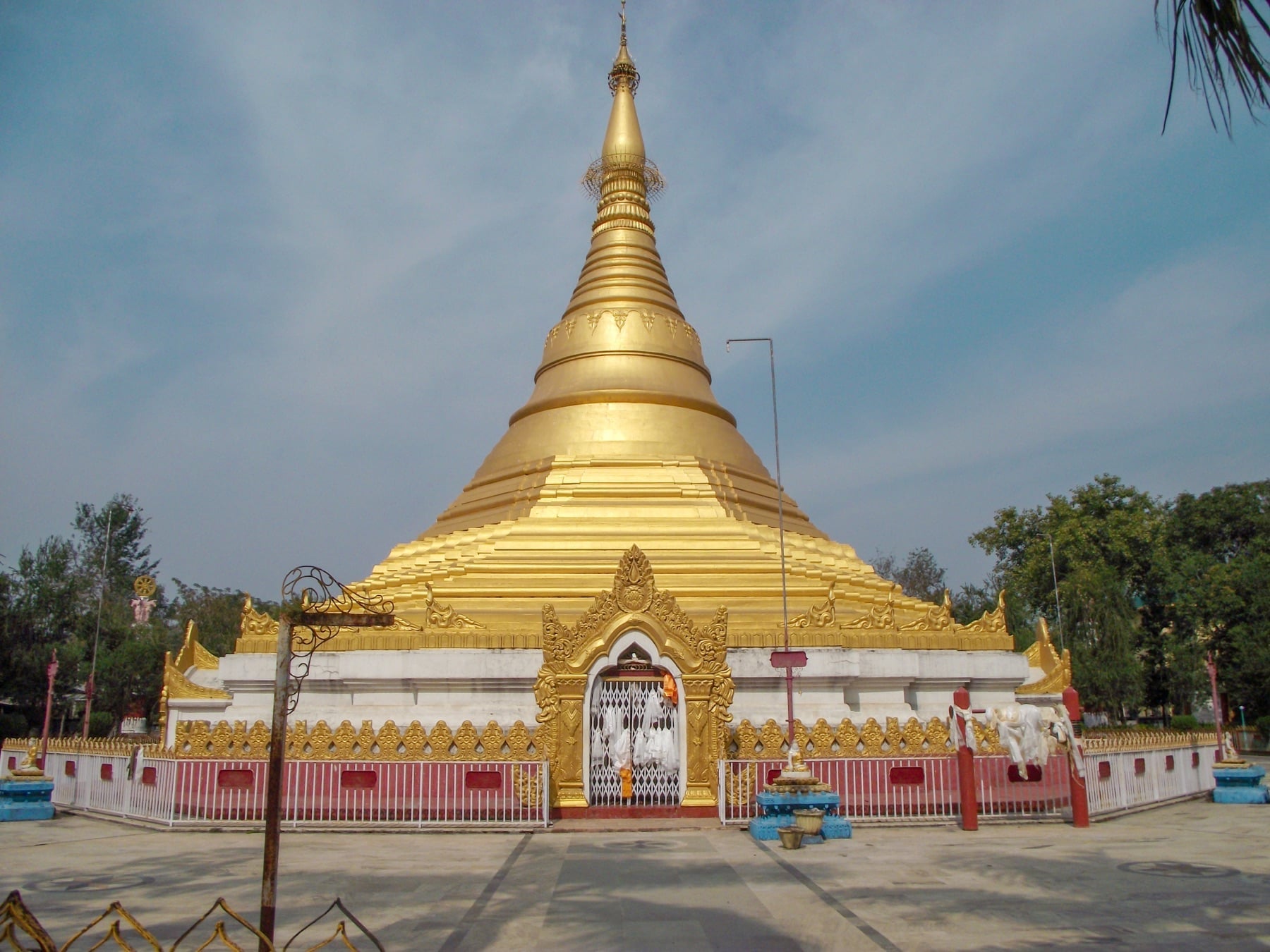
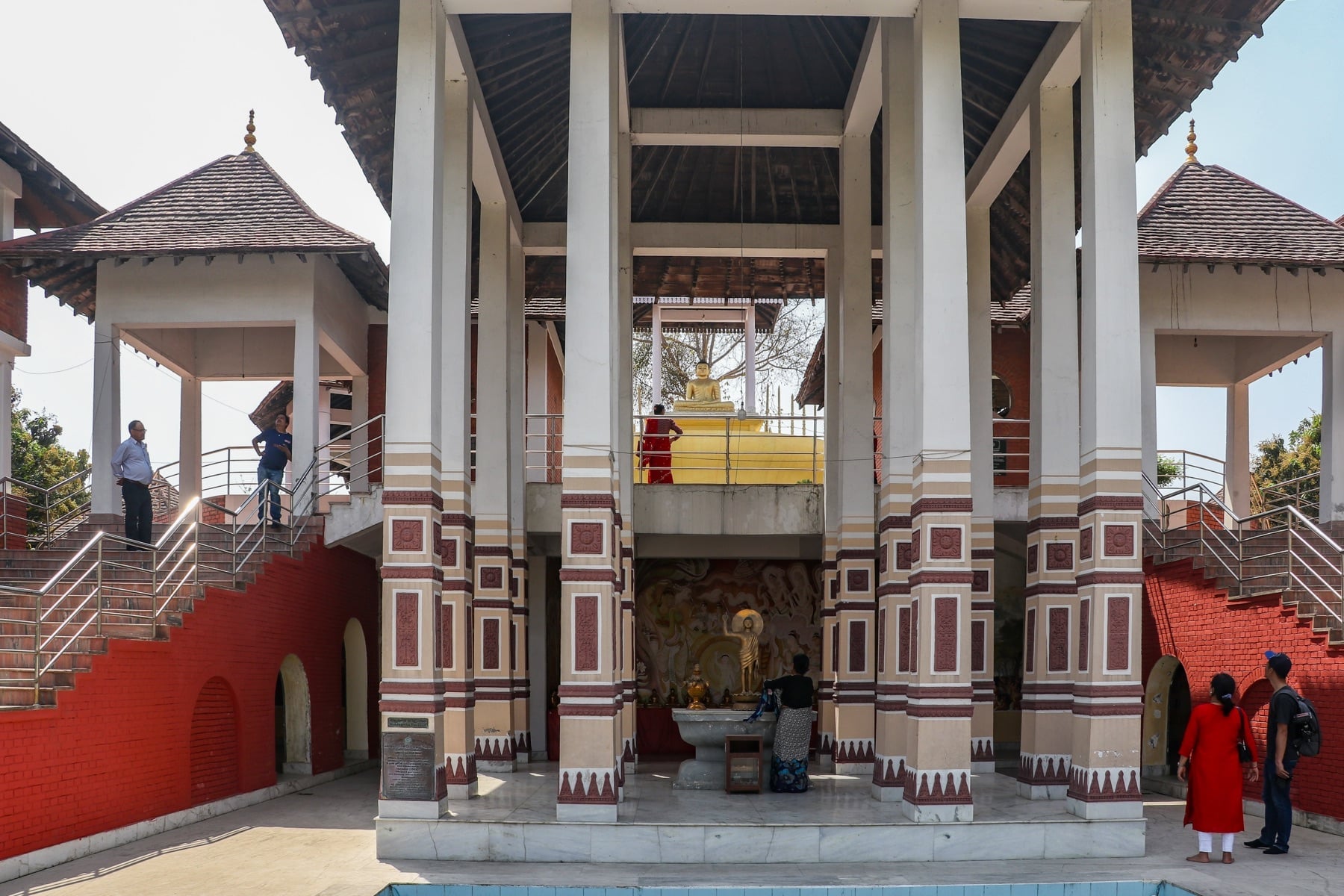
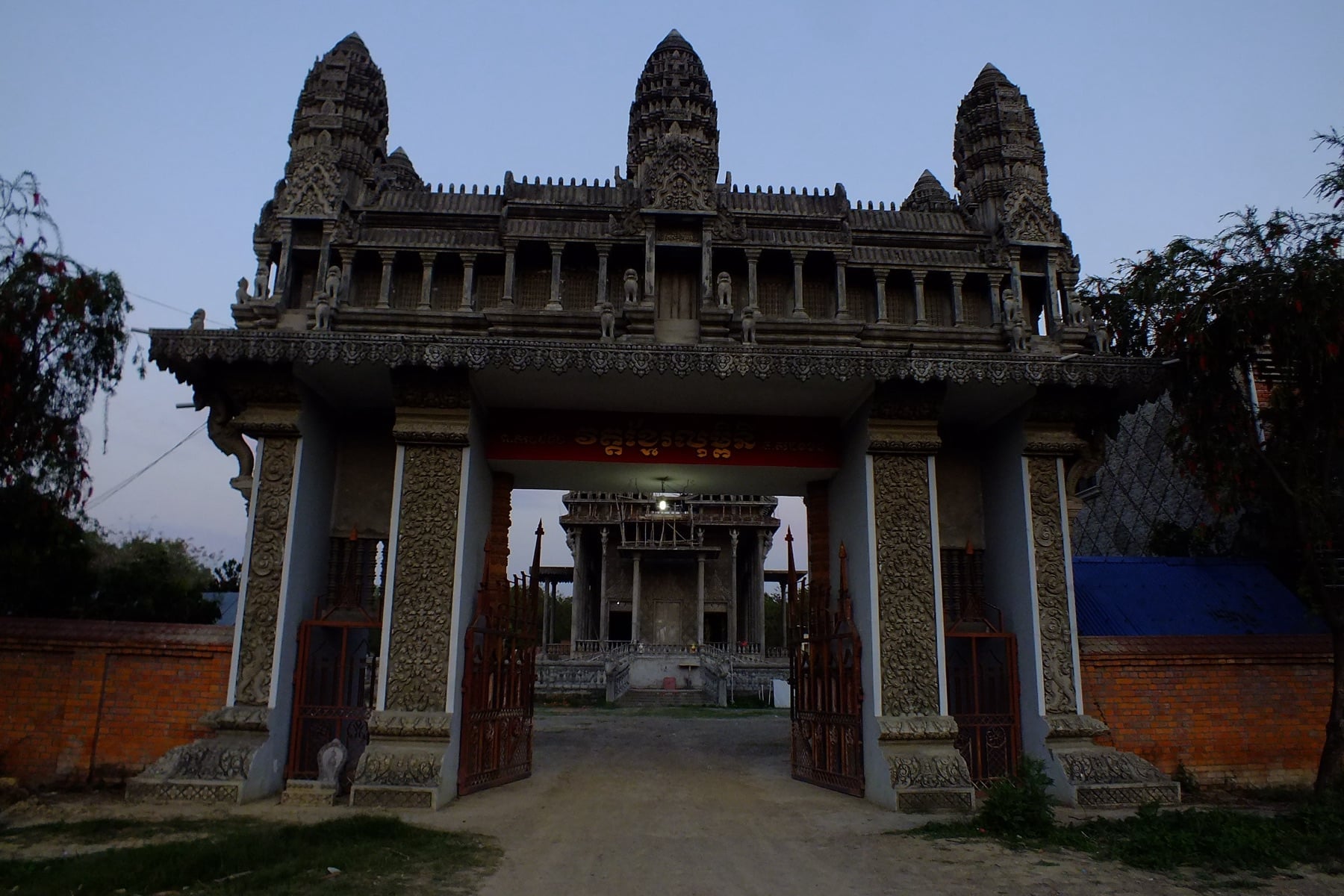
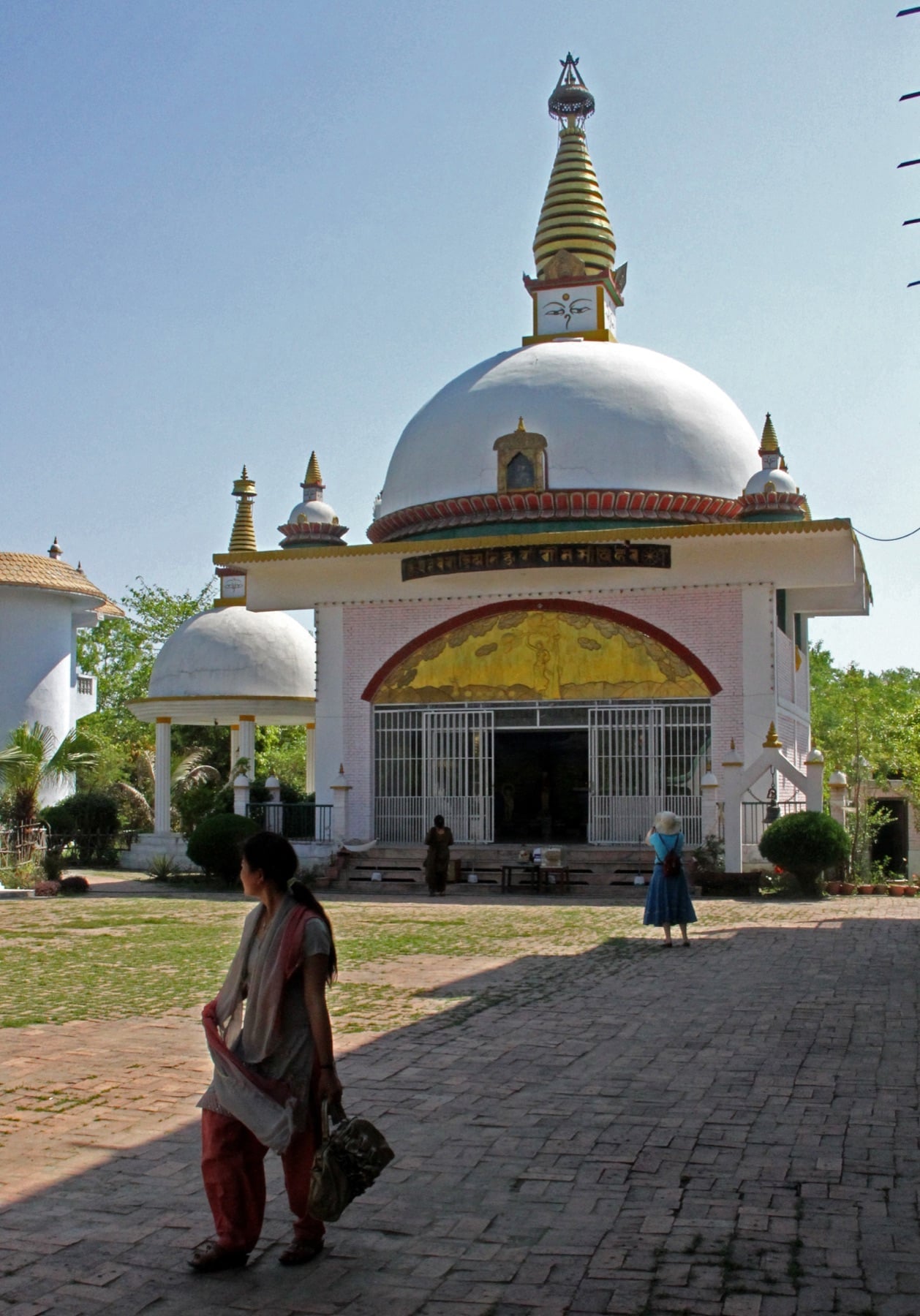
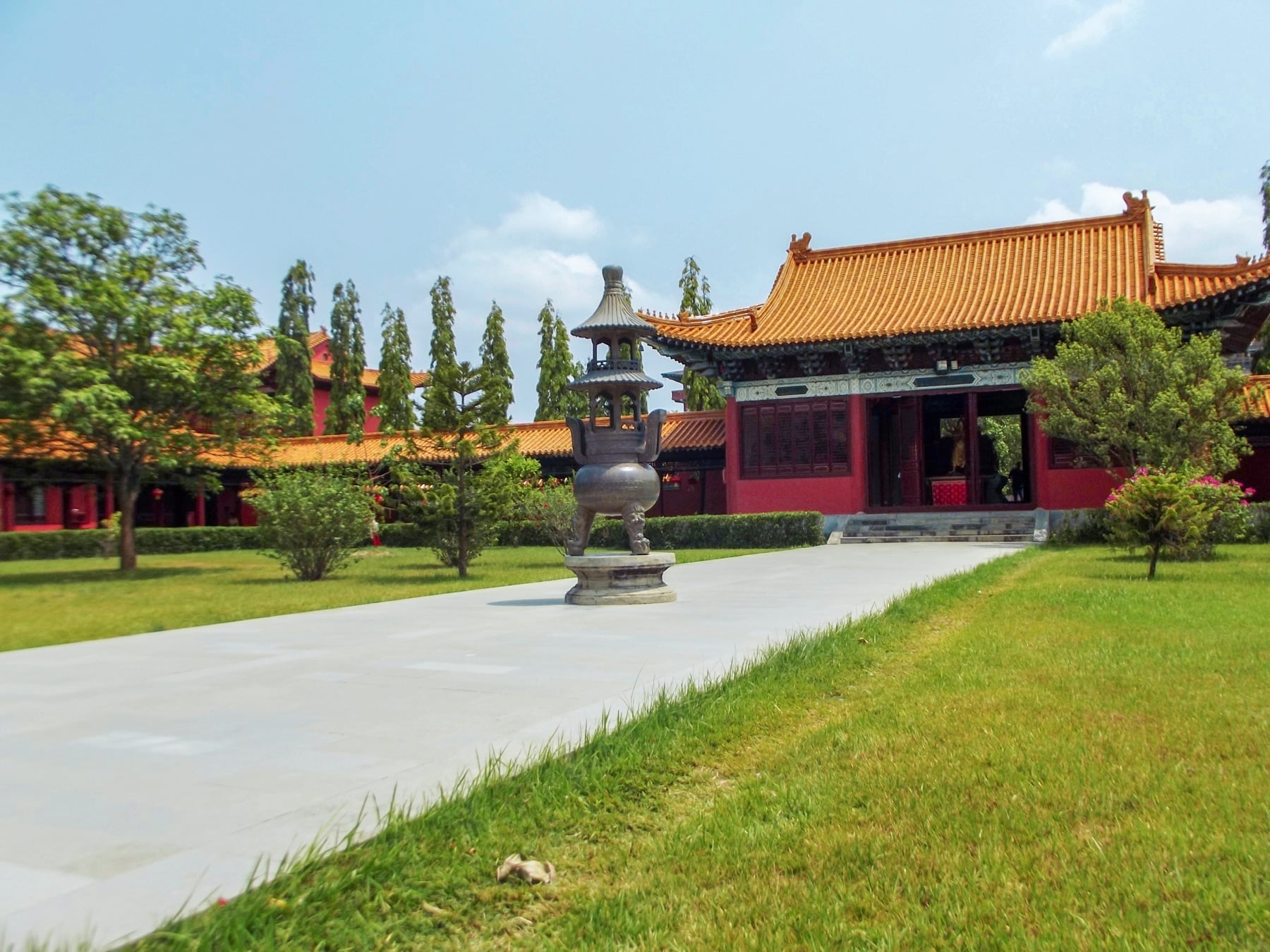
A living assembly of monasteries in more than a dozen national styles, split into an eastern Theravada zone, thirteen plots, eight monasteries built or under way, including Thailand’s Royal Thai Monastery and Myanmar’s Golden Temple, and a western Mahayana and Vajrayana zone of twenty-nine plots from countries spanning France, Germany, Vietnam, South Korea and Japan. Here too stand the Eternal Peace Flame, carried from the United Nations in New York and installed in 1986, and the World Peace Bell, placed nearby in 2005.
New Lumbini Village
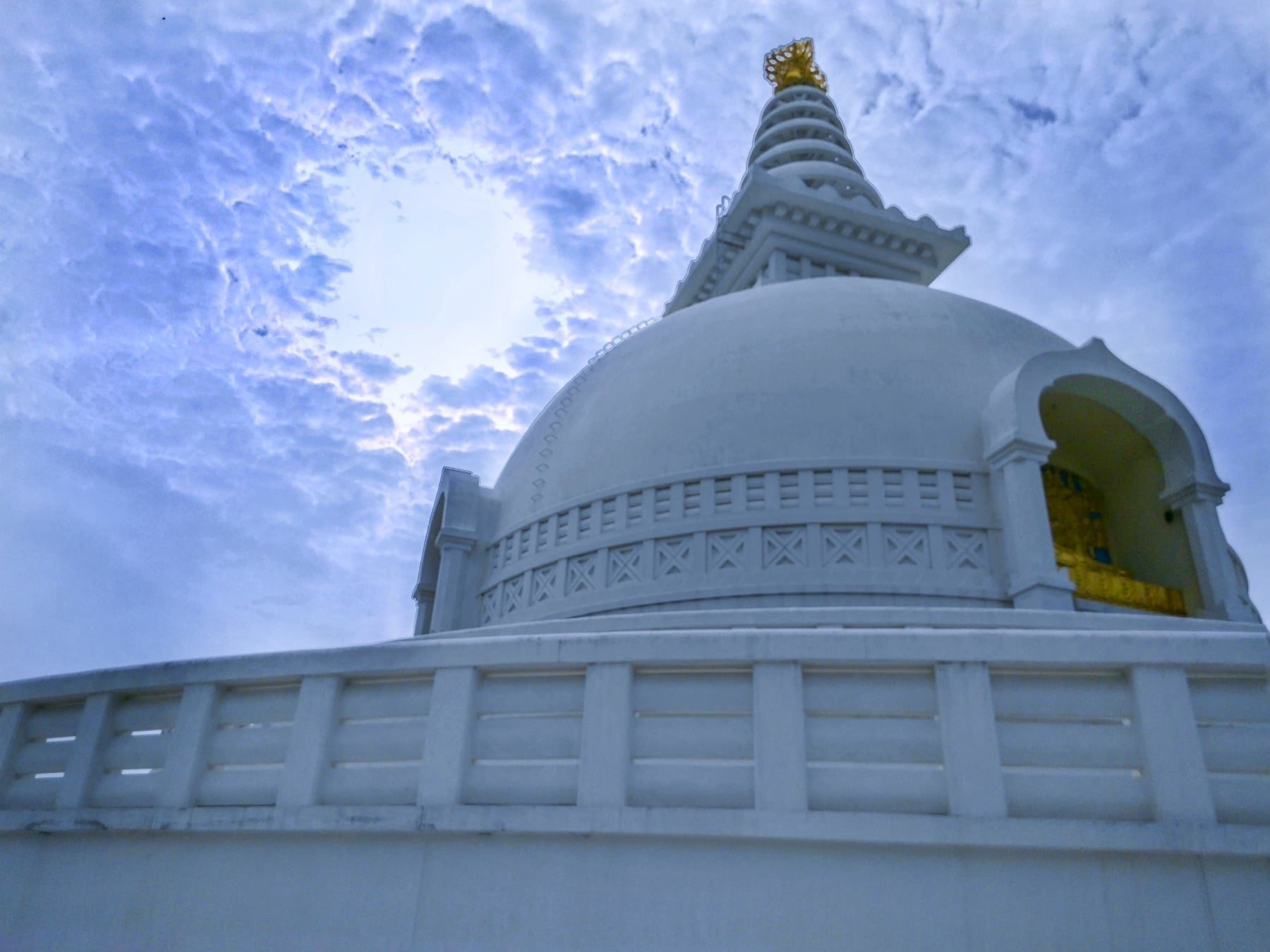
Accommodation, research and civic infrastructure, the least visible zone, and the one that makes the other two possible, holding the Lumbini Museum, the Lumbini International Research Institute, and Japan’s World Peace Pagoda.
The Monasteries of Lumbini
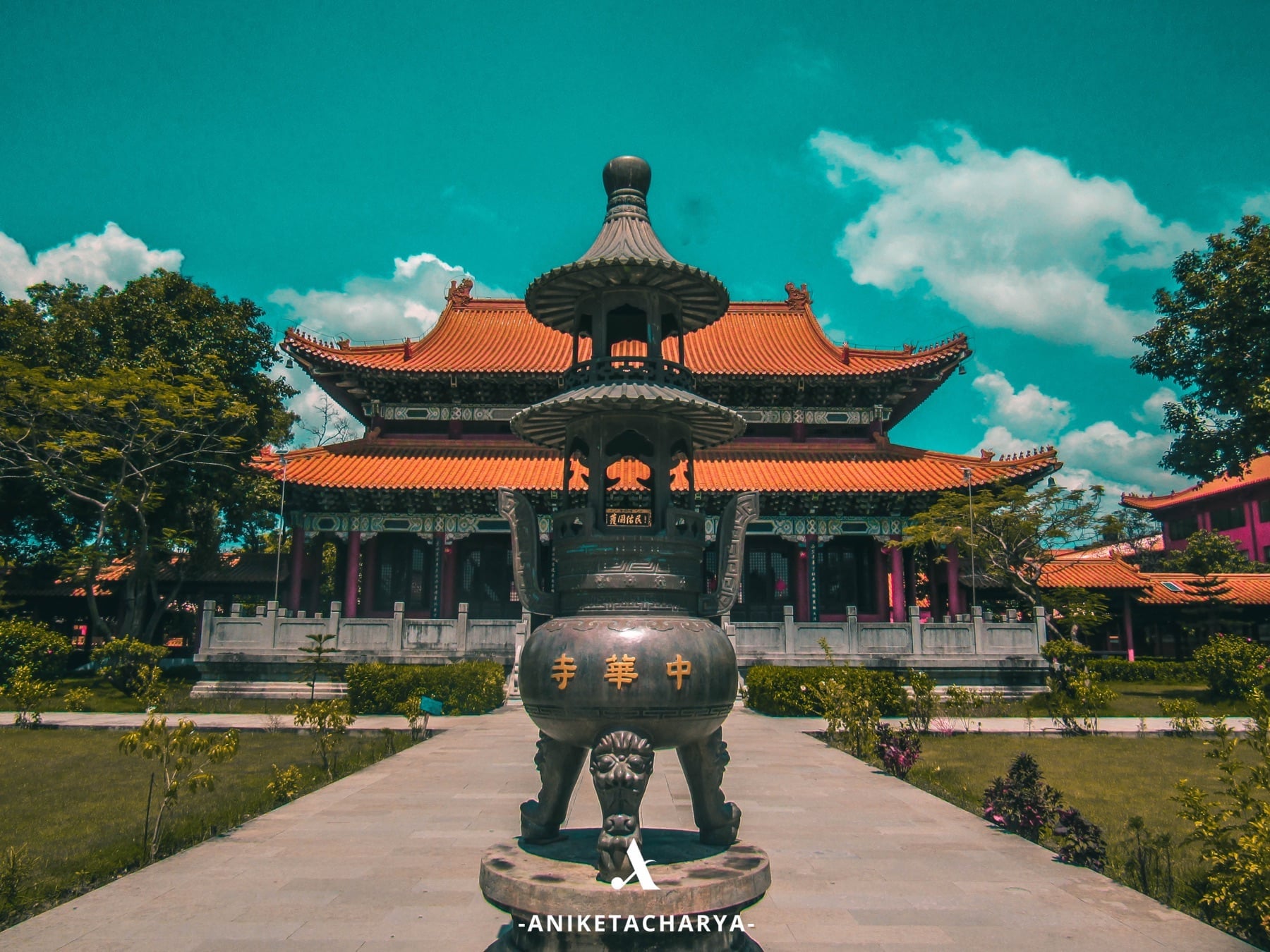
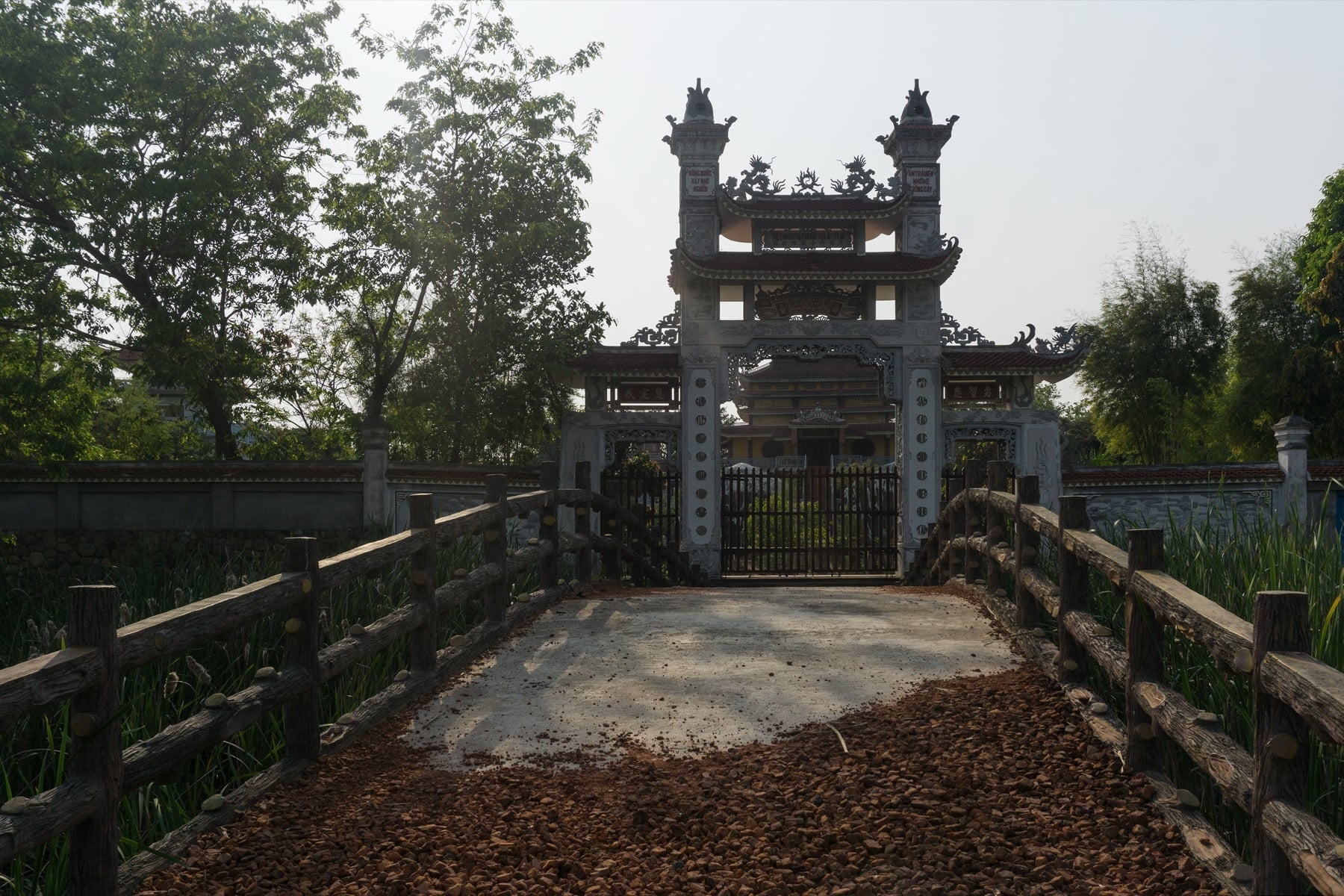
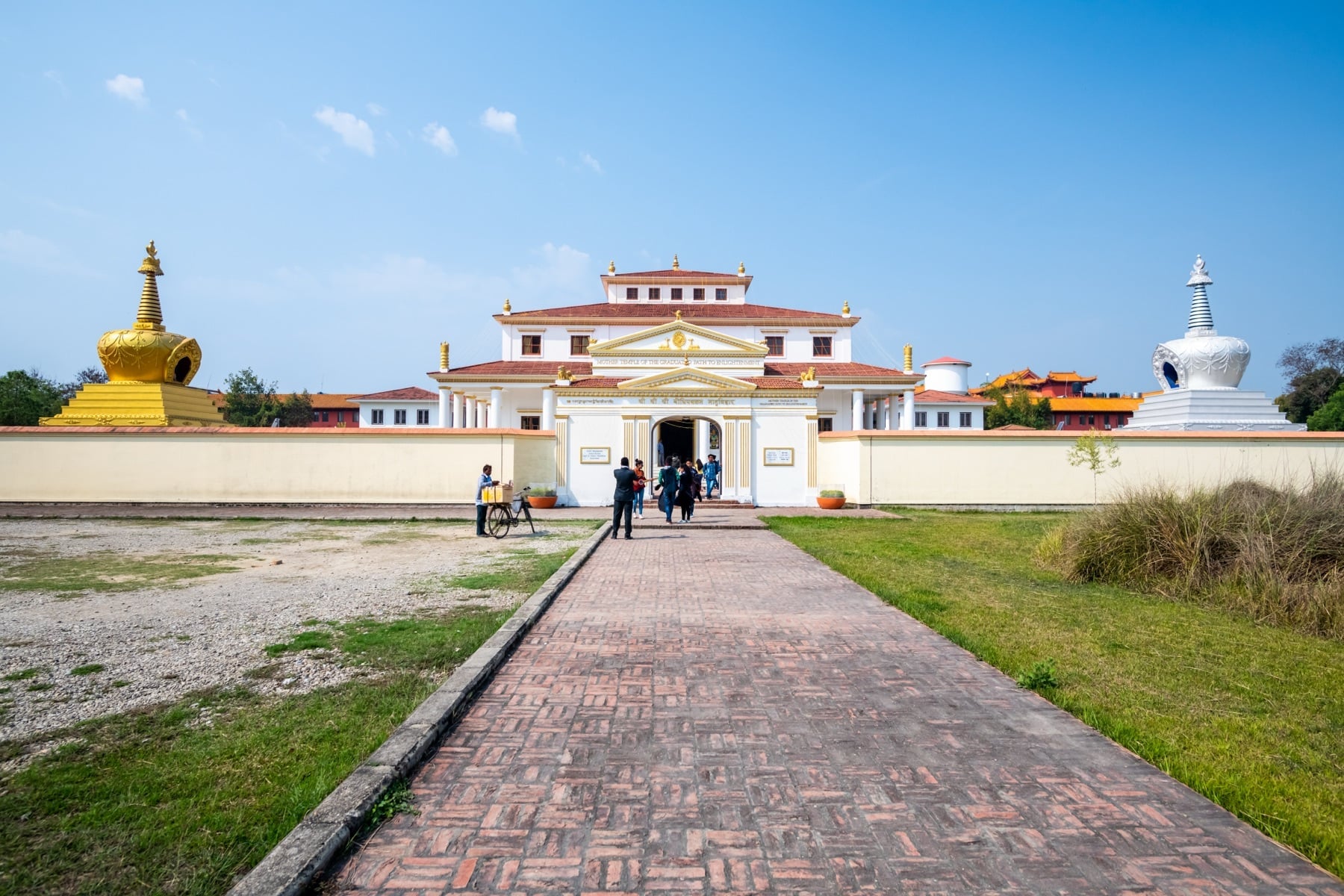
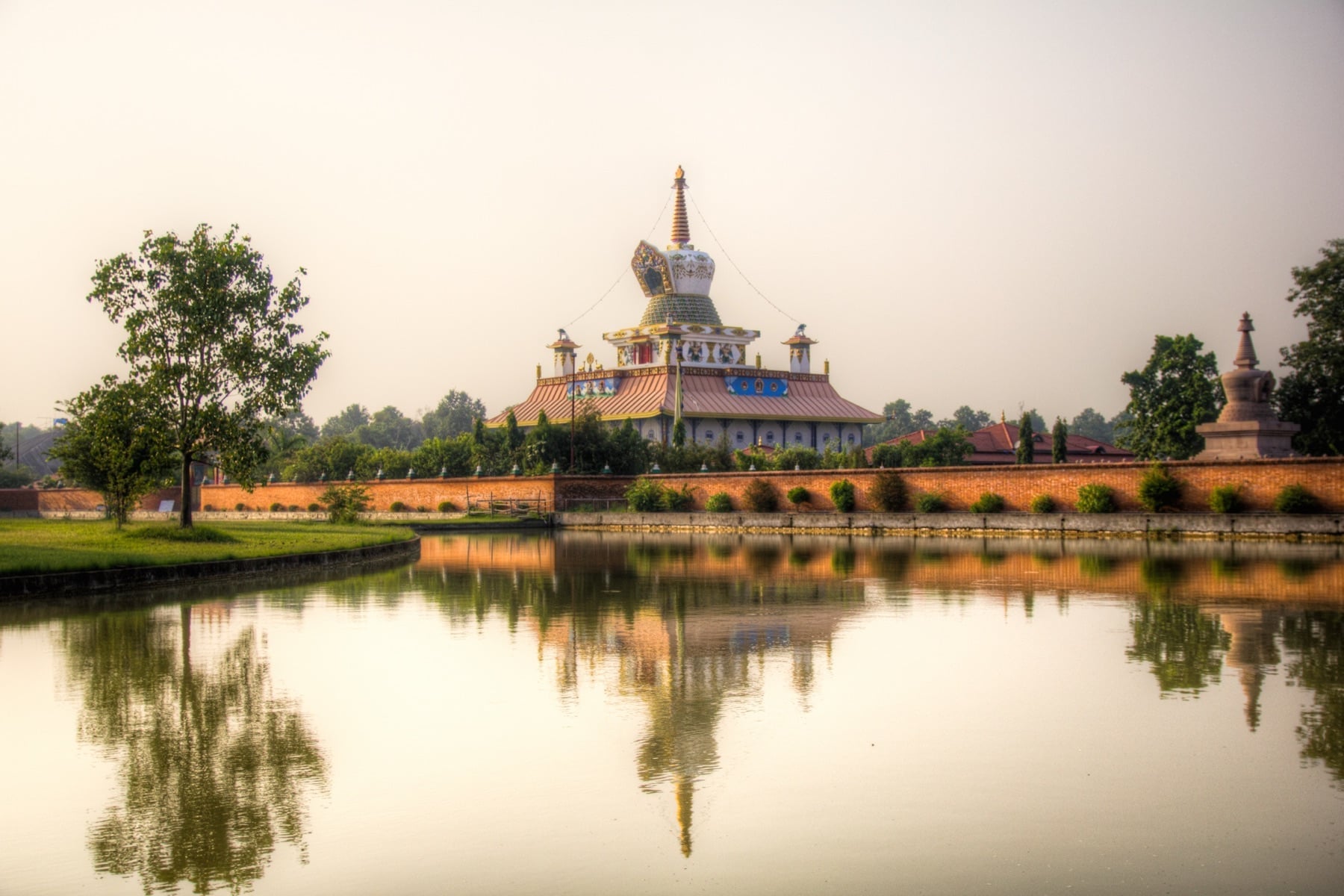
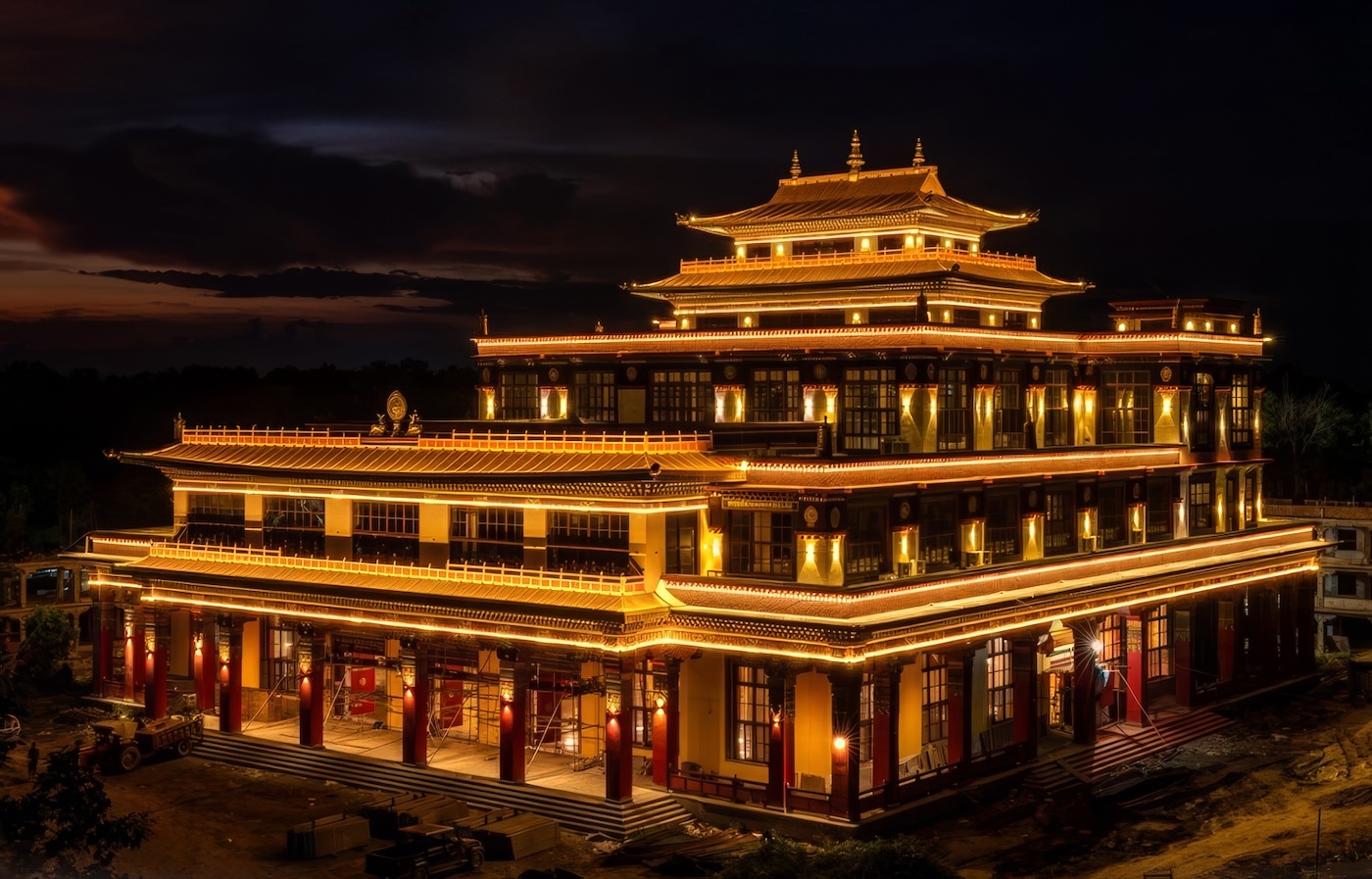
Kenzo Tange's 1978 master plan set aside a full square mile for what has become the most unusual concentration of national Buddhist architecture on earth: an eastern zone of thirteen plots reserved for Theravada traditions, and a western zone of twenty-nine plots for Mahayana and Vajrayana schools. Some twenty-six monasteries, stupas and meditation centres, built or under way, from close to twenty countries, now stand inside it. What follows is a full roster; the twelve with a fuller history link through to a page of their own, and every other confirmed name is listed beneath it.
Confirmed, not yet profiled
Dignitaries who have stepped onto this ground
Every year several hundred thousand pilgrims walk this ground, but a smaller, recorded procession of heads of state, UN secretaries-general, ambassadors and Nobel laureates has walked it too, most of them arriving specifically because of what happened here. What follows is a documented roster, each entry linked to its own source; a claim without a citation does not appear here.

Ashoka
Emperor of the Maurya Empire
The earliest documented head-of-state visit on record anywhere. He raised the pillar that still stands here, its inscription the first physical evidence naming this ground as the Buddha’s birthplace.
Rummindei Pillar Inscription · c. 249 BCE

Dag Hammarskjöld
Secretary-General, United Nations
The first UN Secretary-General on record to visit Lumbini, eight years before U Thant’s pilgrimage brought the site international attention.
Lumbini Development Trust · March 1959
U Thant
Secretary-General, United Nations
On pilgrimage to a desolate, unmarked site, he wept and called it “the most important day of my life”, then returned to New York and set in motion the UN-commissioned master plan that still governs Lumbini today.
Nepali Times · April 1967

Kurt Waldheim
Secretary-General, United Nations
Visited as the Kenzo Tange master plan, approved three years earlier, was moving into construction, checking on progress and international funding.
Lumbini Development Trust · February 1981

King Mahendra
King of Nepal
Hosted the Fourth General Conference of the World Fellowship of Buddhists at Lumbini and proposed the site’s restoration, the first modern government effort to develop the birthplace.
Wisdom Library · 1956

Ban Ki-moon
Secretary-General, United Nations
Visited to review Lumbini’s development during Pushpa Kamal Dahal’s first term as prime minister; a planned follow-up visit in 2012 was later postponed.
UN Information Centre, Kathmandu · November 2008

Aung San Suu Kyi
Opposition leader, Myanmar · Nobel Peace laureate
Visited during a four-day state visit to Nepal, decades after she first passed through the country as a teenager travelling with her mother, Burma’s ambassador to India and Nepal.
Kathmandu Post · June 2014
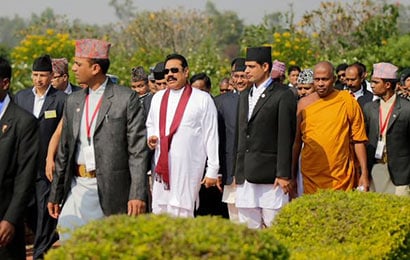
Mahinda Rajapaksa
President of Sri Lanka
Prayed at the Maya Devi Temple and opened a Sri Lanka-funded bridge and a new building at Lumbini Buddhist University.
OnLanka News · November 2014

Maithripala Sirisena
President of Sri Lanka
Visited alongside the 4th BIMSTEC Summit, pledging Sri Lankan support for the implementation of the Lumbini Master Plan.
Wikipedia · Aug–Sep 2018

Narendra Modi
Prime Minister of India
An official Buddha Purnima visit: prayers at the Mayadevi Temple, a groundbreaking for a Buddhist culture centre, and six bilateral agreements signed with Nepal.
The Diplomat · 16 May 2022

António Guterres
Secretary-General, United Nations
“It is an honor to be here in Lumbini, a site of spirituality, serenity, and peace,” he said at the Mayadevi Temple, calling for global action for peace.
UN News · 31 October 2023
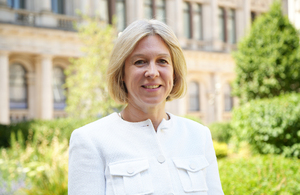
Nicola Pollitt
British Ambassador to Nepal
Paid homage at the Mayadevi Temple, visited the Eternal Peace Flame and the international monasteries, and discussed cooperation with the Lumbini Development Trust.
Lumbini Development Trust · 1 December 2022
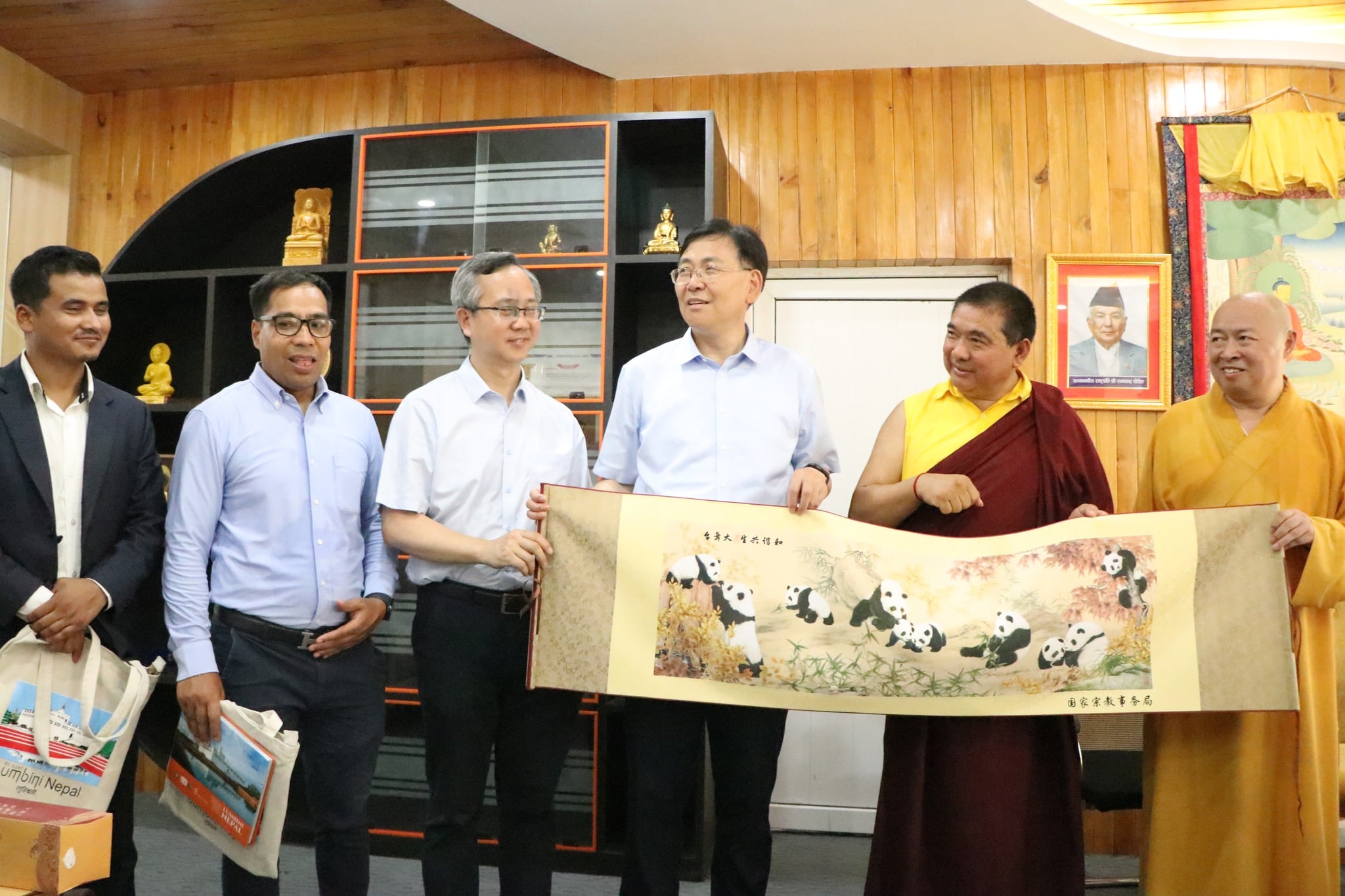
Chen Ruifeng
Minister, National Religious Affairs Administration of China
Toured the Mayadevi Temple, Ashoka Pillar and the Chinese monastery alongside Ambassador Chen Song, laying a foundation stone for a new monastery facility.
Lumbini Development Trust · 12 June 2024
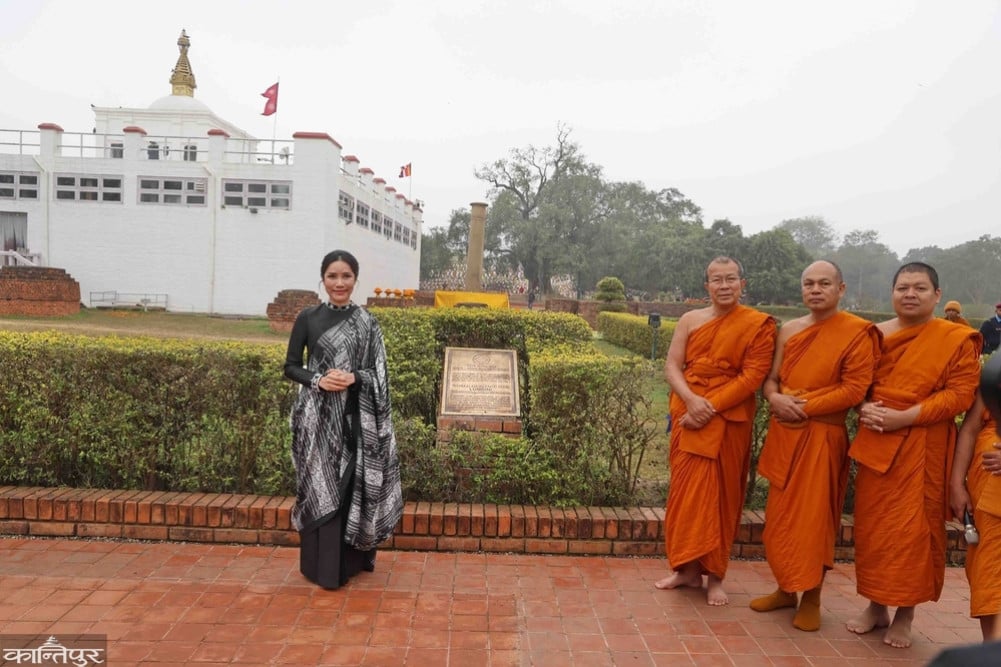
Sineenatha Bilaskalyani
Royal Noble Consort of Thailand
Arrived overland leading a 70-member palace delegation and led half an hour of chanted prayers at the Mayadevi Temple, the fourth visit to Lumbini by a member of the Thai royal family.
Kathmandu Post · 30–31 January 2026

Princess Maha Chakri Sirindhorn
Princess of Thailand
Inaugurated the Royal Thai Monastery she had funded, paid homage at the Mayadevi Temple, and opened a free eye-camp for local pilgrims, arriving with a 44-member entourage.
The Himalayan Times · 20 October 2017
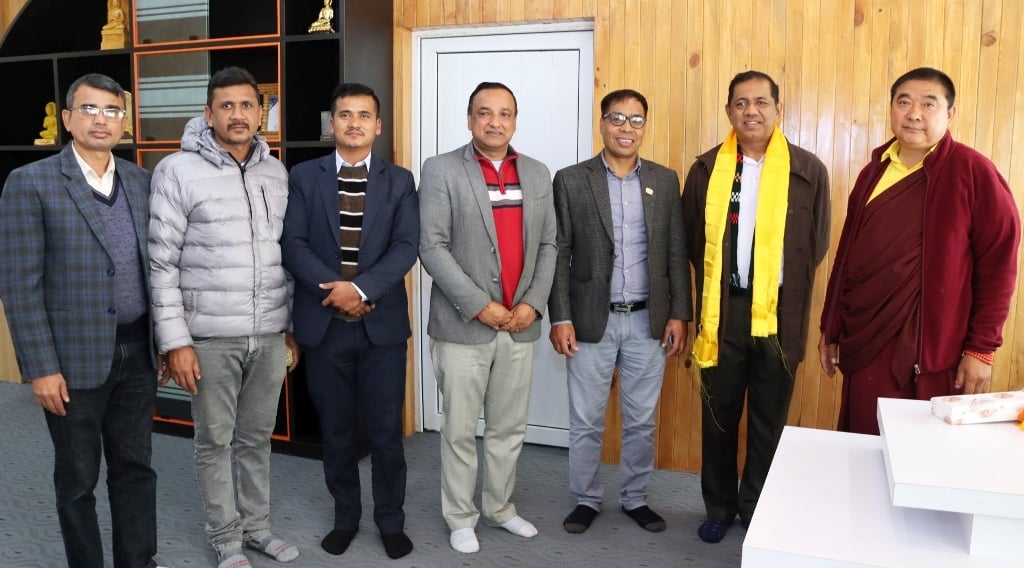
Sudarshana Pathirana
Sri Lankan Ambassador to Nepal
Discussed a proposed direct air route from Sri Lanka to Gautam Buddha International Airport before visiting the Mayadevi Temple himself.
Lumbini Development Trust · 6 January 2024
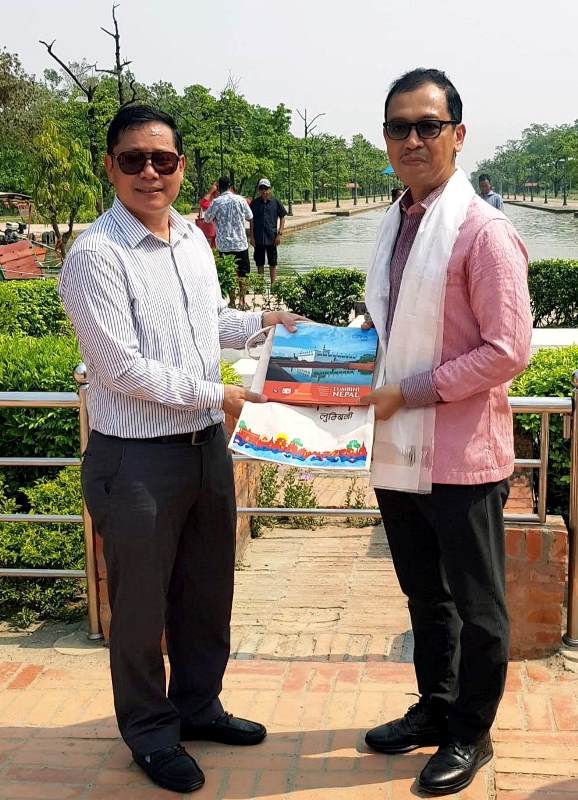
Heru Hartauto Subolo
Indonesian Ambassador to Nepal
Paid respects at the Mayadevi Temple and toured the Monastic Zone, strengthening Indonesia–Nepal ties, Indonesia holds Borobudur, the largest Buddhist monument on earth, and a Buddhist minority whose roots there run back more than a millennium.
Lumbini Development Trust · 2 July 2024
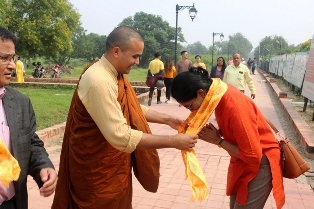 Visit record
Himalee Arunatilaka
Sri Lankan Ambassador to Nepal
Visited shortly after presenting her credentials in Kathmandu, continuing Sri Lanka’s long diplomatic thread through Lumbini, the same relationship that built the Sri Lanka Monastery in the Monastic Zone.
Lumbini Development Trust · 1 November 2019

Orlando Bloom
Actor · UNICEF supporter
Toured UNICEF-backed water, sanitation and education programmes in Nepal’s Kaski and Chitwan districts, and visited Lumbini during the same trip, two years before his formal appointment as a UNICEF Goodwill Ambassador.
UNICEF · Dec 2007 – Jan 2008
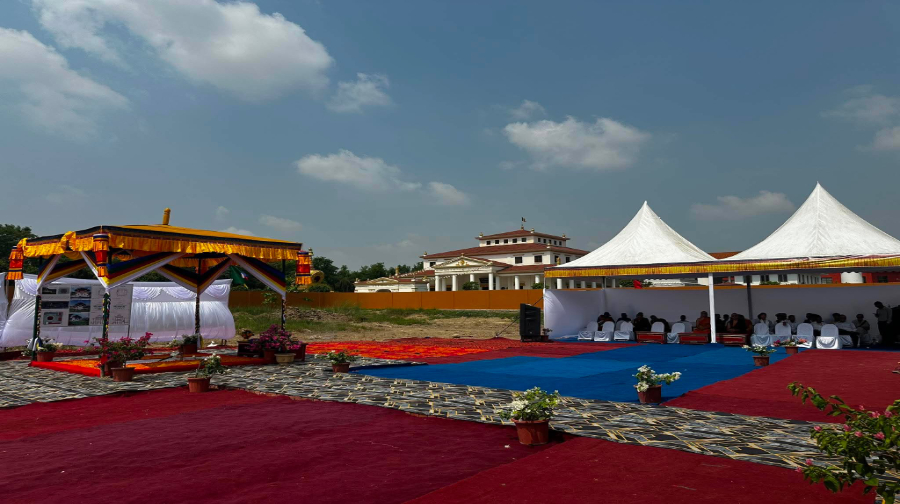 Ground-breaking ceremony
Lyonpo Tshering
Home Minister of Bhutan
Led the Salhang-Tendrel, the ground-breaking ceremony for Bhutan’s own state monastery in the Western Monastic Zone, alongside Deputy Je Khenpo Dorji Lopen Rinpoche and Nepal’s Minister for Culture, Tourism and Civil Aviation.
Kuensel / BBS · 28 June 2026

Javier Pérez de Cuéllar
Secretary-General, United Nations
The fifth UN Secretary-General to visit Lumbini, a lineage the Trust counts explicitly, describing Guterres in 2023 as “the sixth” to follow Hammarskjöld, U Thant, Waldheim and Ban Ki-moon.
Lumbini Development Trust · March 1989
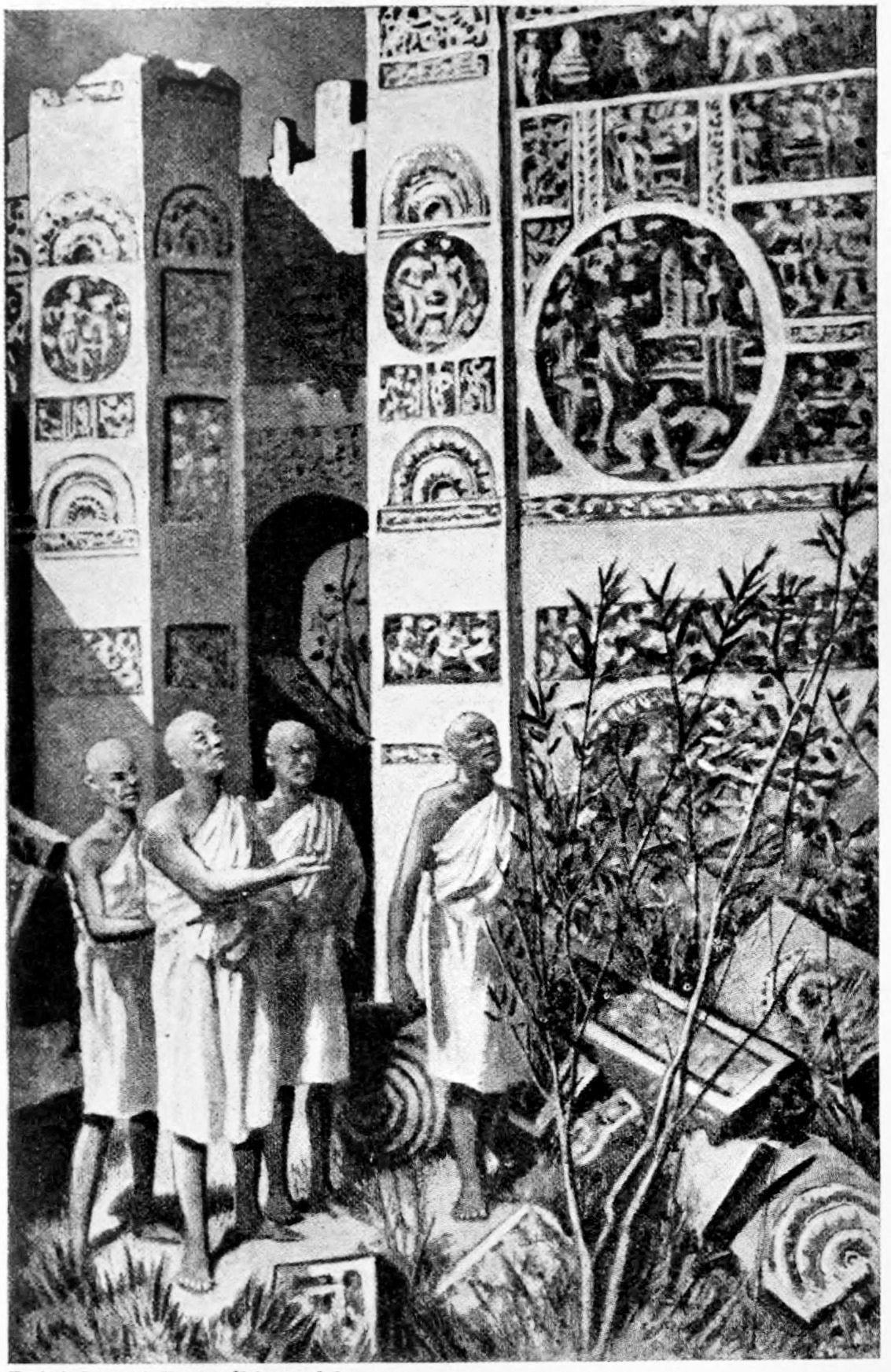
Faxian (Fa-Hien)
Chinese Buddhist pilgrim-monk
Walked overland from China in search of authentic scripture and recorded standing at Lumbini in A Record of Buddhist Kingdoms, the earliest surviving eyewitness account of the site by any foreign visitor.
A Record of Buddhist Kingdoms, trans. James Legge, 1886 · c. 403 CE
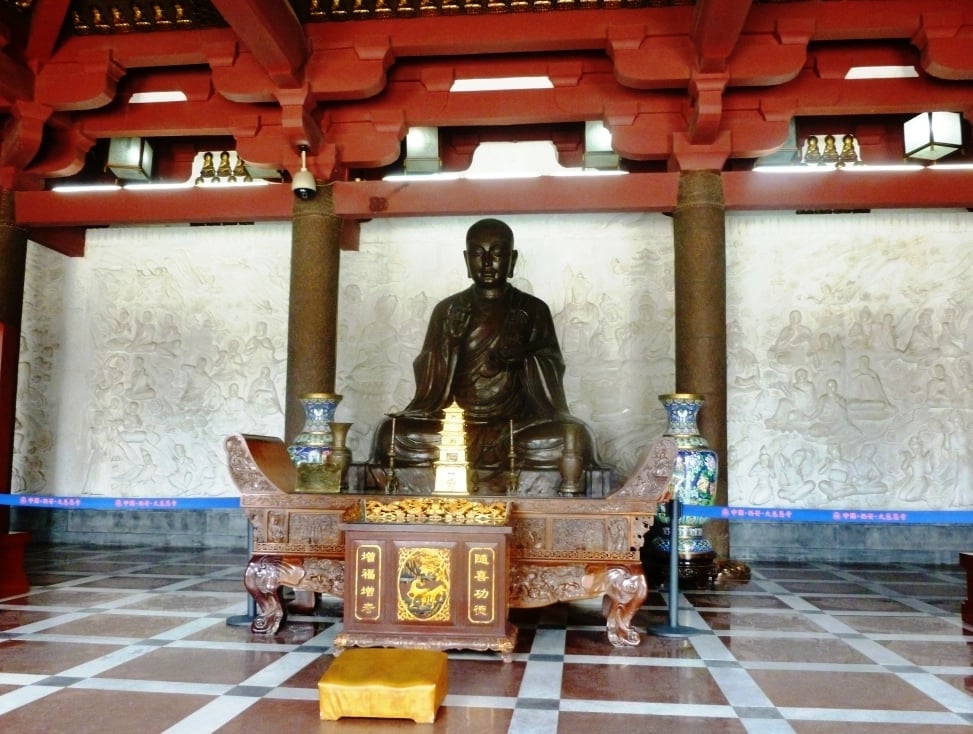
Xuanzang (Hiuen Tsang)
Chinese Buddhist pilgrim-monk
Two centuries after Faxian, recorded the Ashoka Pillar still crowned by its horse capital, the sacred pond and the temple layout in the Da Tang Xiyu Ji, the most detailed ancient description of Lumbini that survives.
Da Tang Xiyu Ji, trans. after Thomas Watters, 1904 · 636 CE
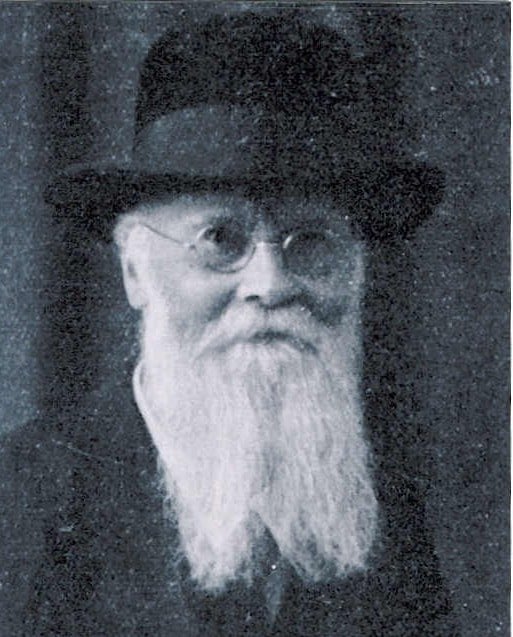
Alois Anton Führer
Archaeologist, Archaeological Survey of India
Rediscovered the buried, broken Ashoka Pillar alongside General Khadga Shamsher, its inscription becoming the first physical evidence anywhere naming this ground as the Buddha’s birthplace.
Wikipedia · 1 December 1896
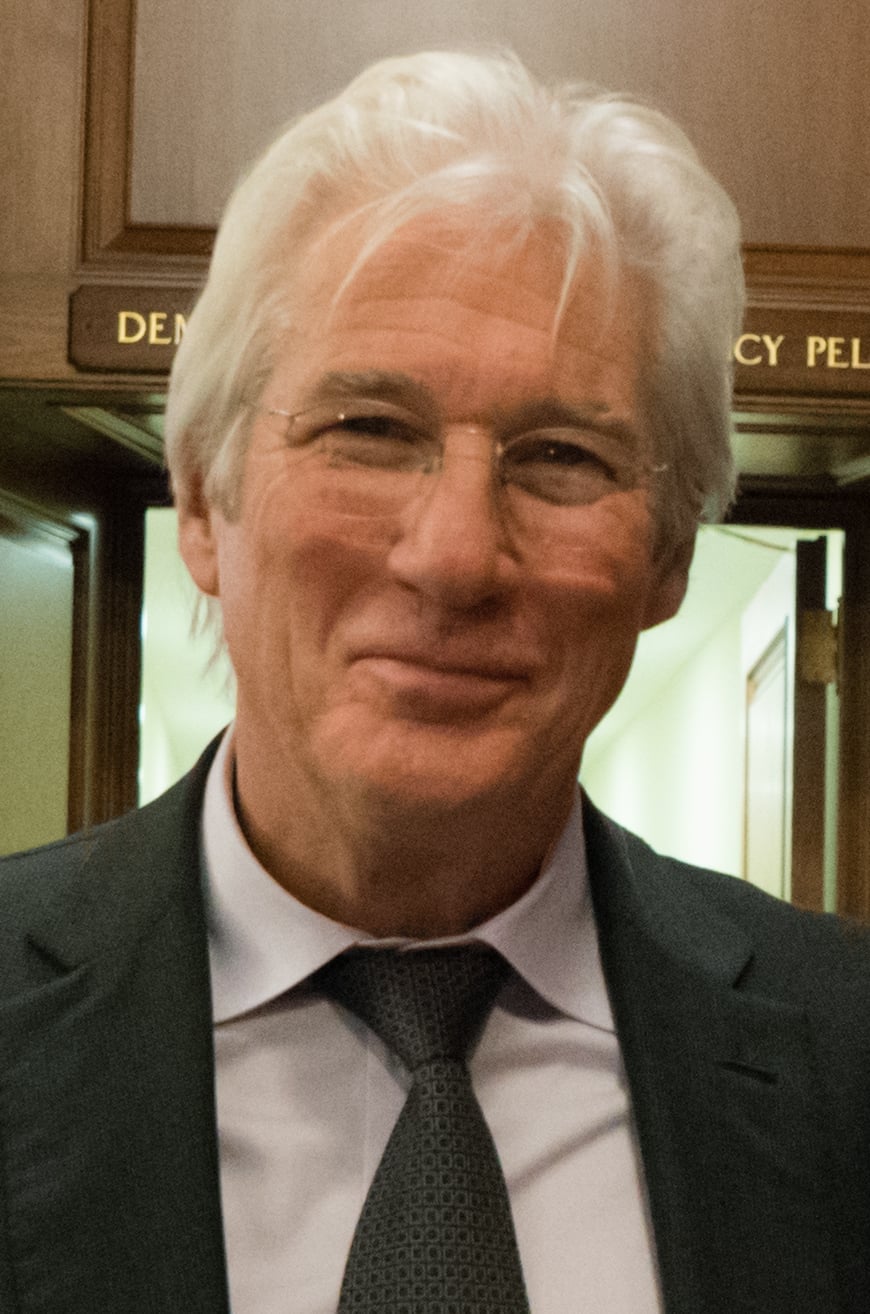
Richard Gere
Actor · Buddhist advocate
A practising Buddhist and close friend of the Dalai Lama since his first trip to Nepal in 1978, Gere has returned repeatedly to the country’s sacred sites, Lumbini among them.
Jet Set Nepal

Keanu Reeves
Actor
Travelled to Lumbini and other Buddhist sacred sites researching his role as Prince Siddhartha in Bernardo Bertolucci’s Little Buddha, spending time with monks to prepare for the part.
FPMT Mandala · 1992
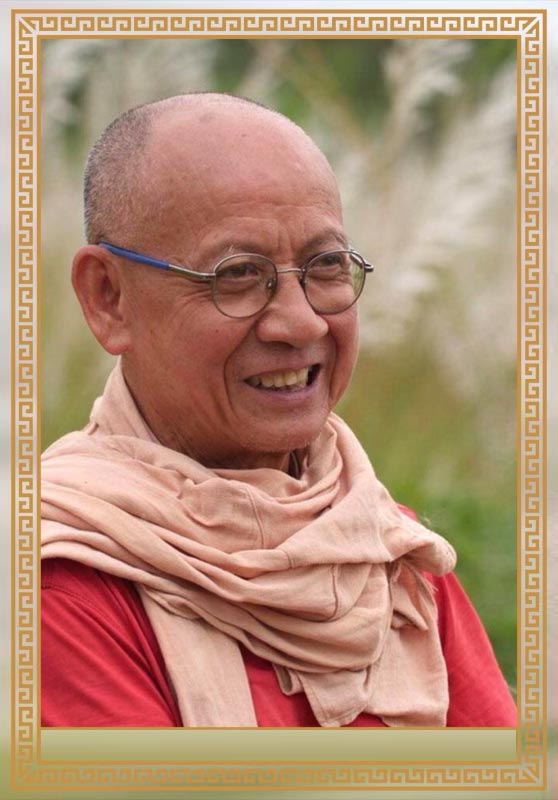
Thich Huyen Dieu
Vietnamese Buddhist monk · Founder, Vietnam Phat Quoc Tu
First visited Lumbini in 1970 and, granted land by King Birendra in 1993, built the first foreign monastery in the Monastic Zone, a presence credited with encouraging the dozen-plus nations that followed his lead.
Nguoi Lam Vuon Foundation · From 1970
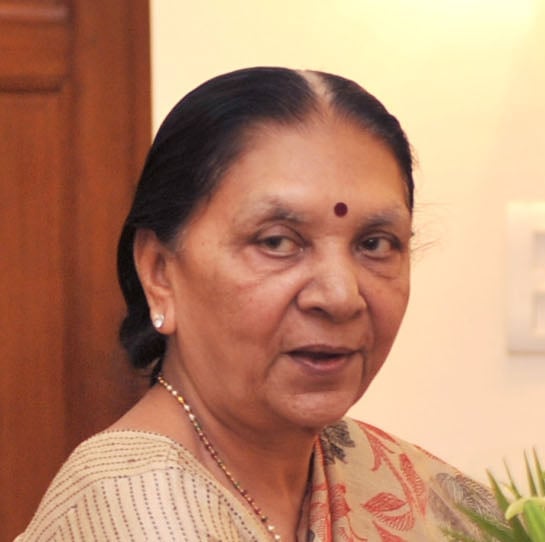
Anandiben Patel
Governor of Uttar Pradesh, India
Lit a lamp for world peace at the Maya Devi Temple, toured the international monasteries, and inspected the Lumbini Museum during a cross-border cultural visit.
Lumbini Development Trust · 3 December 2021
Pa-Auk Tawya Sayadaw Bhante Achinna
Meditation master, Myanmar
At ninety-one, made a six-day pilgrimage through the circuit, meditating at the Maya Devi Temple, touring Kudan, Gotihawa and Niglihawa, and planting a ceremonial sal tree in the Master Plan area.
Lumbini Development Trust · 2–8 November 2024
Lumbini · context imageLuis Carlos
Deputy Mayor of Madrid, Spain
Proposed that Lumbini be promoted globally as an international centre for meditation and world peace.
myRepublica · 2018
It is worth saying plainly: Tange’s plan, endorsed in 1978, is still being built. Two completion dates, 1985 and 1995, came and went before major elements were finished, and portions of the original vision remain incomplete even now, nearly half a century later. This is not failure so much as the ordinary rhythm of sacred architecture: such places are built in generations, not seasons. The ground itself has kept pace with that patience in its own way, the first World Buddhist Summit, held here in 1998, declared Lumbini “the Fountain of World Peace,” and a second summit in 2004 named it a World Peace Village. It is the context against which the rest of this site should be read, including the World Bank financing now under way to help finish what this plan began (see Ramagrama).
The sites around Lumbini
Nine sites across the Greater Lumbini Area, each holding a fragment of the Buddha’s early life.