
Ramagrama · 12 December 2023
Pushpa Kamal Dahal “Prachanda”
Prime Minister of Nepal
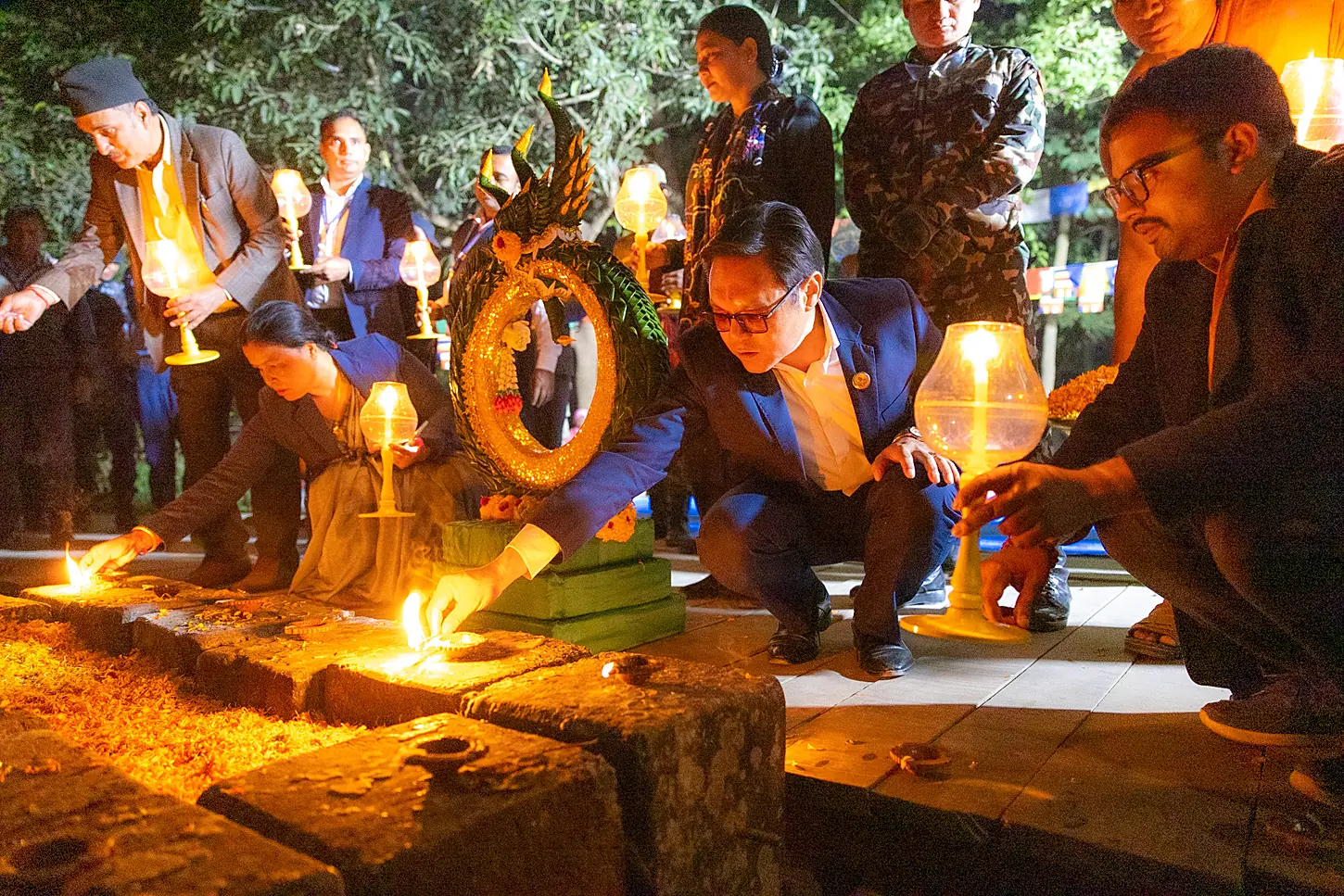
Lit the Flame of Eternal Peace at 12:12 and opened the first World Peace Program.
Live broadcast, The Promised Land
The World Peace Program
Ramagrama · Lumbini · NepalFrom the birthplace of the Buddha,
an invitation to come together.
An ancient place. A present responsibility.
At Ramagrama, a small flame brings people into the same circle. Since 2023, the World Peace Program has brought prayer, dialogue and shared purpose to this sacred ground. Each December, we return. Each year, the conversation grows.
Discover the groundThe film · Ramagrama · December 2023
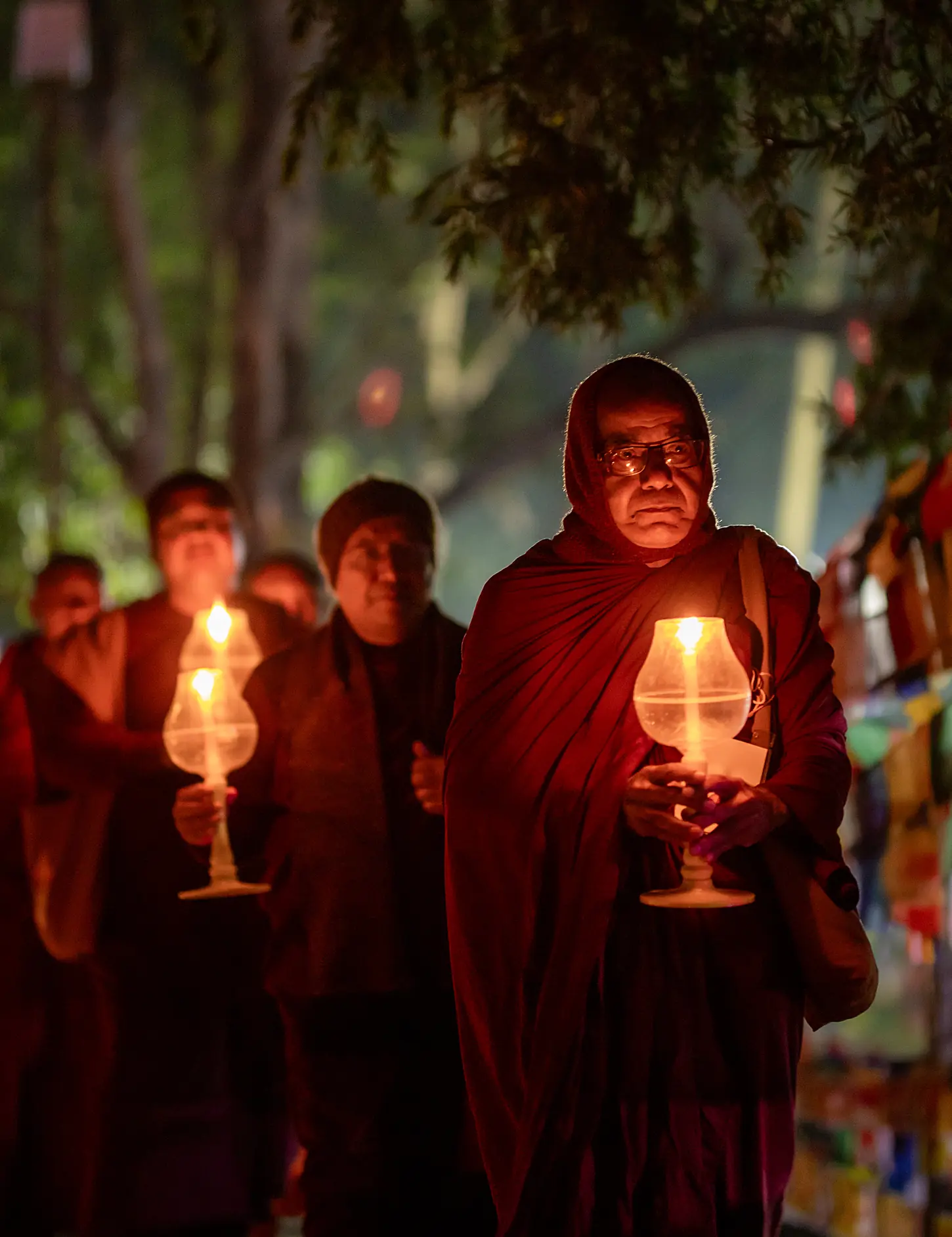
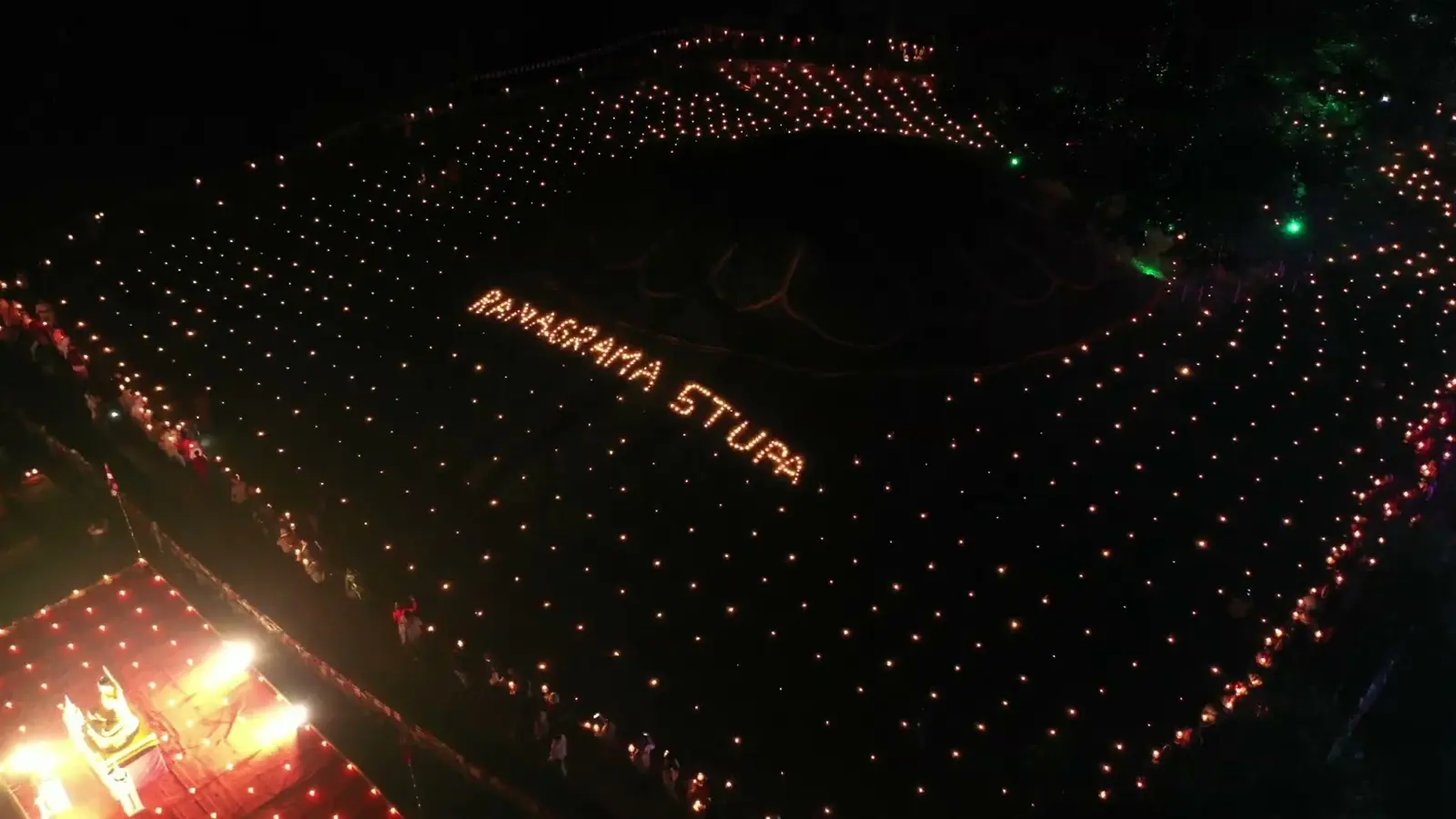
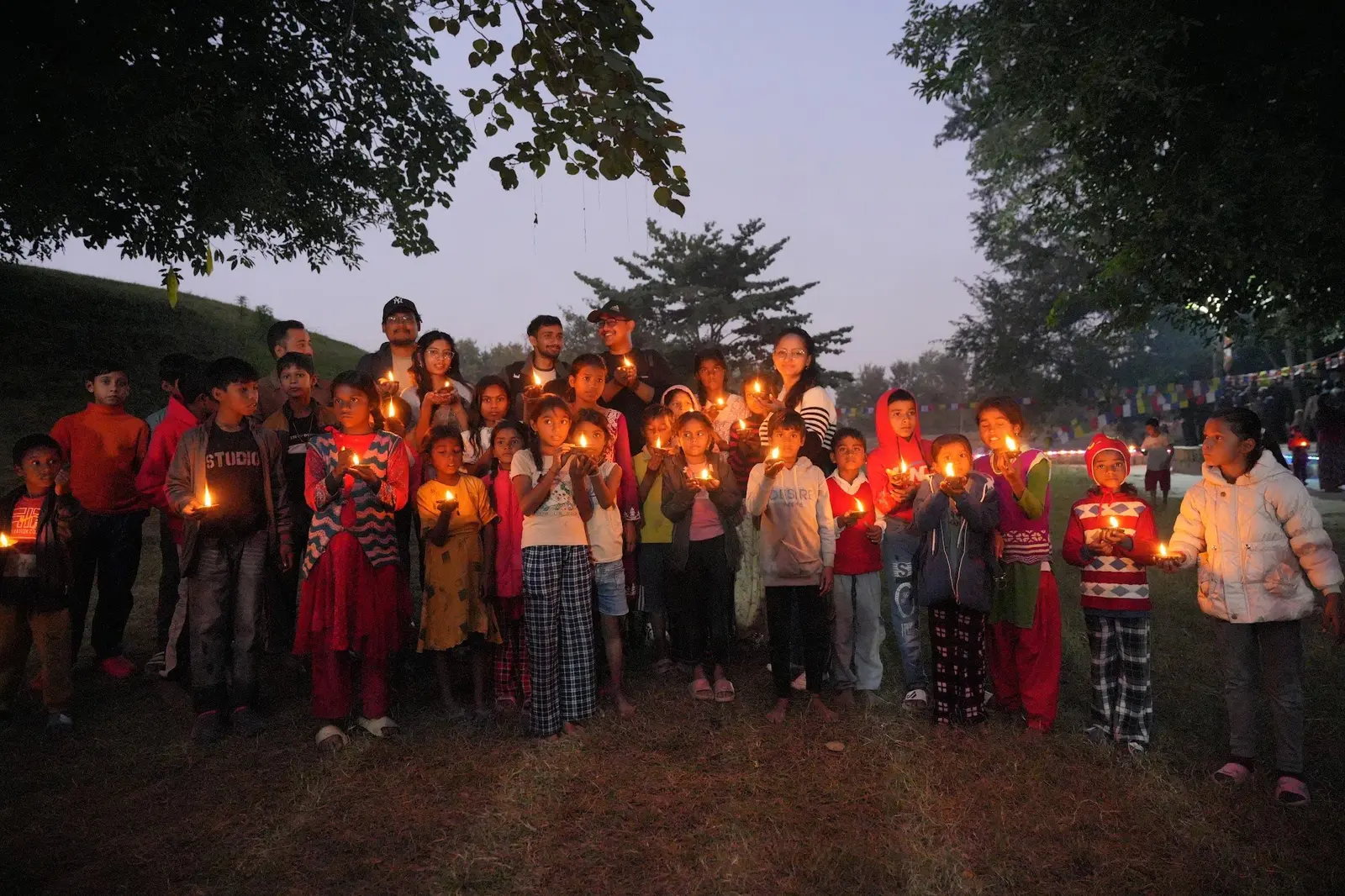
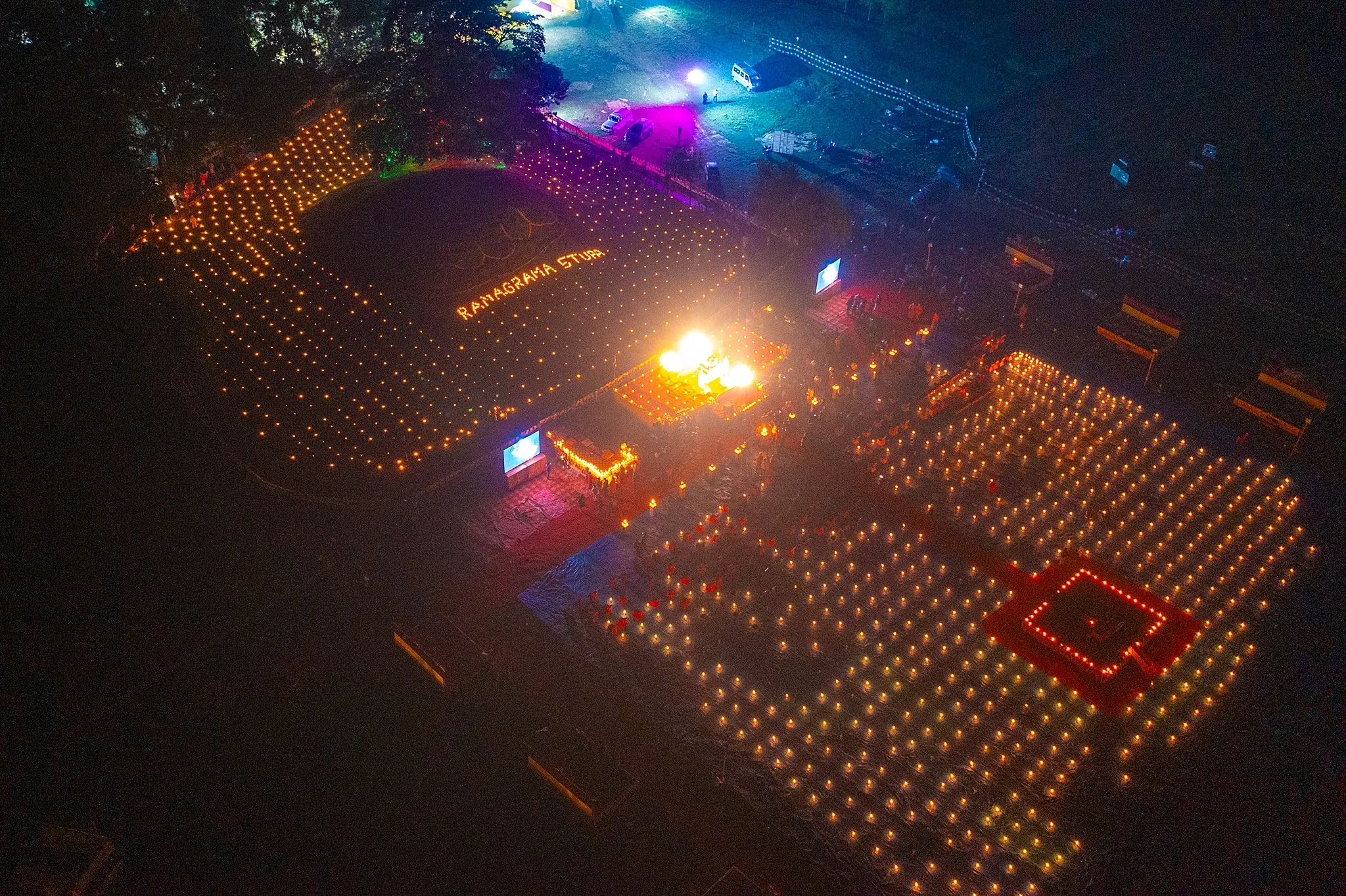
Nepal’s Prime Minister and members of the Government joined thousands of pilgrims, monks and neighbours to offer light to the Buddha at the Ramagrama Stupa. Seen from the ground and from the air, this is what the first World Peace Program looked like after dark.
Film by Saydung Walking tour
The story so far
Three editions.
A promise carried forward.
11–12 December 2023 · Ramagrama, Nepal
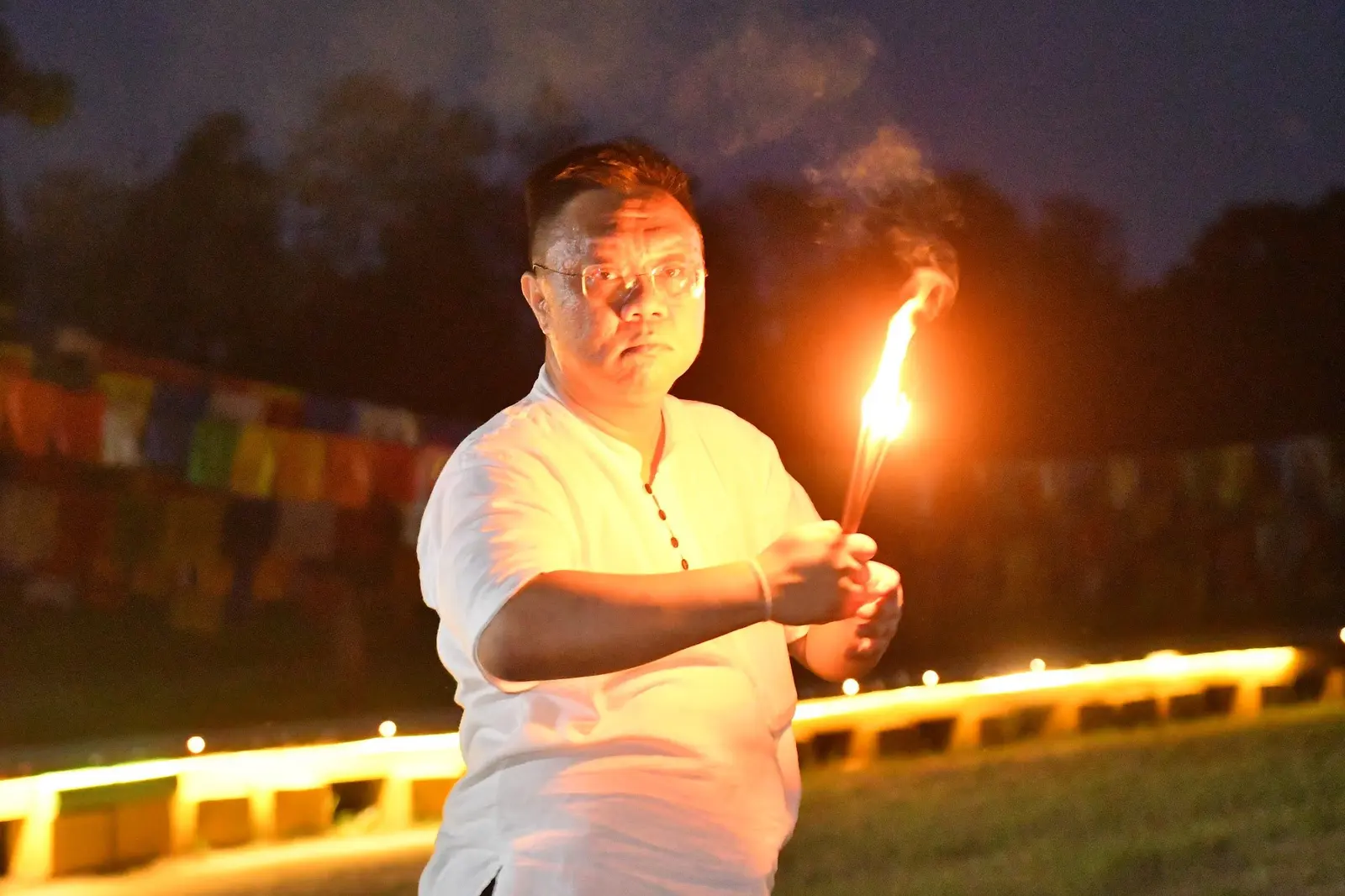
At 12:12 on December 12, the Flame of Eternal Peace was lit at Ramagrama. Monks, neighbours and visitors gathered around a place that had kept its silence for centuries. The first World Peace Program brought ceremony and a vision for the site’s future into the same moment.
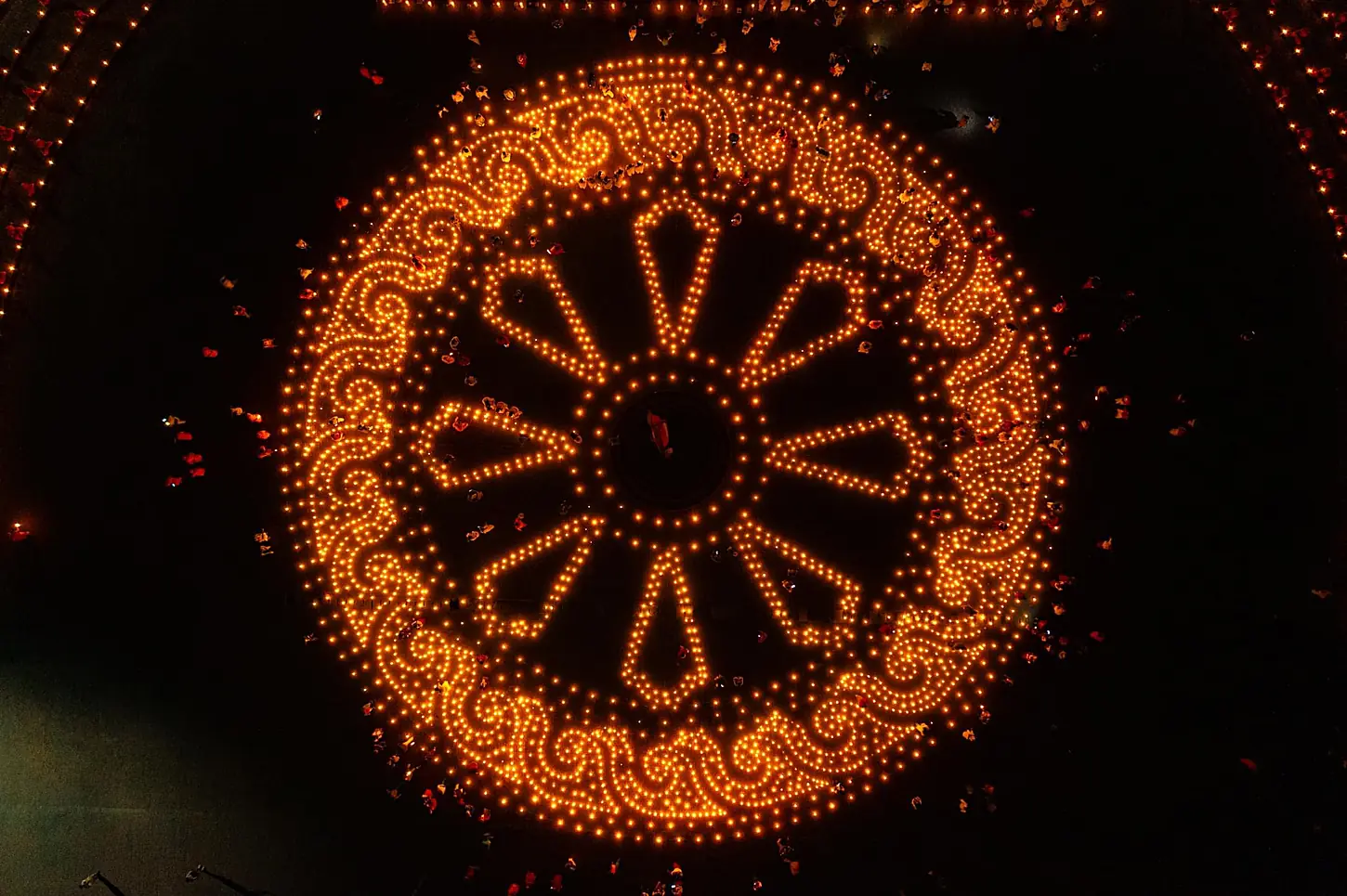
The eve opened with 1,112 peace candles and seven thousand oil lamps. Prime Minister Pushpa Kamal Dahal led the flame lighting; architect Stefano Boeri presented the Ramagrama masterplan.
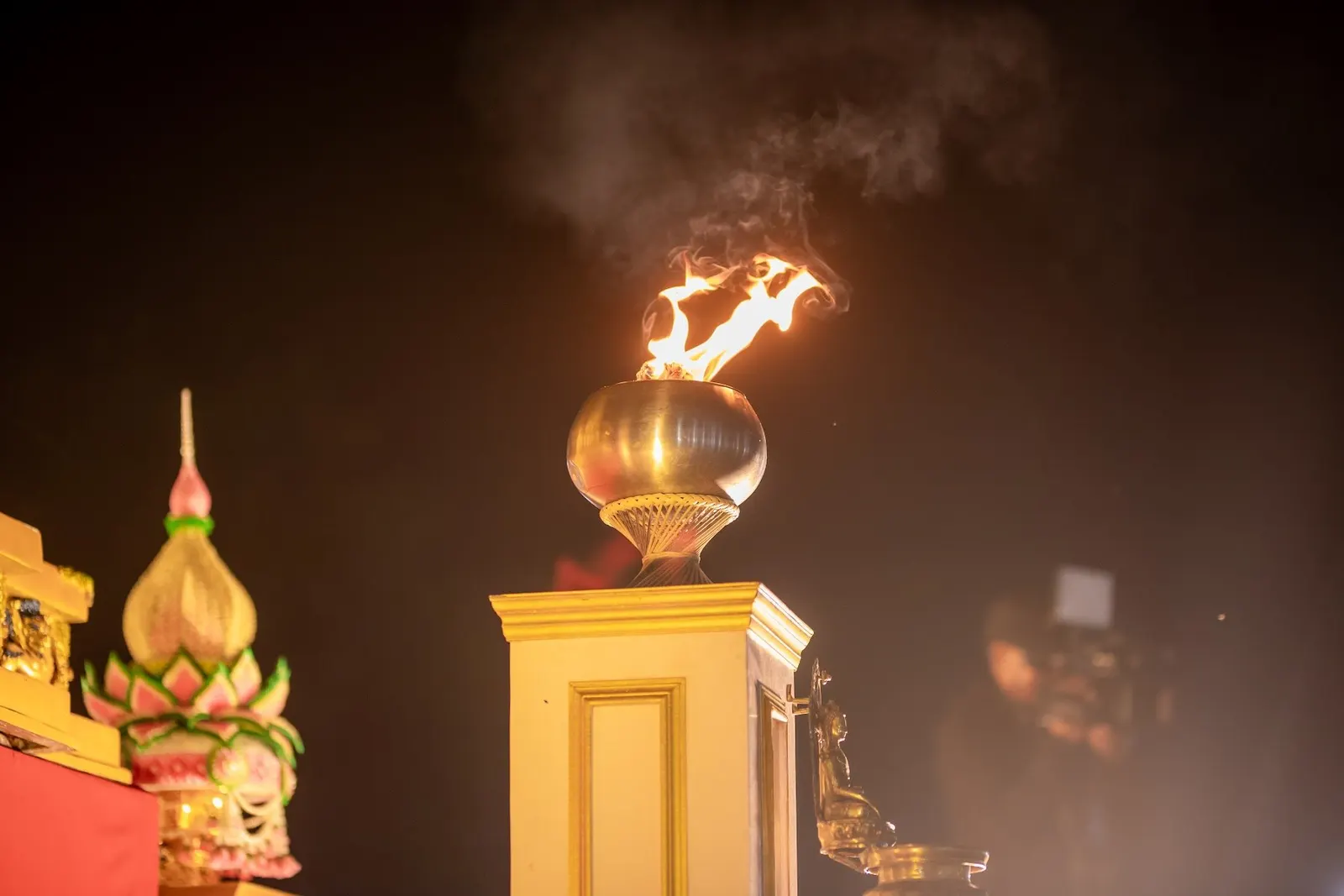
The moment that began it all
One flame.
Countless beginnings.
Light a lamp
On the eve of the first gathering in December 2023, 1,112 peace candles were lit at Ramagrama. The wheel holds a place for each of them. Light one, from wherever you are, and watch it take its place.
Be among the first to light one.
In the company of others
Five moments, five storiesA face in candlelight. A voice in the assembly. A thousand small acts of being present. Open any moment to hear its story.
The photographic archive
Prayer and procession in 2023. Music, dialogue and ten thousand guests in 2025. Let it play, or take your time with each frame.
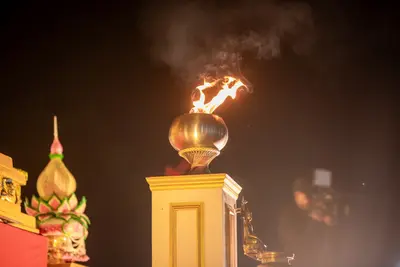
The Flame of Eternal Peace, burning into the night at Ramagrama
Voices from December 12
The morning the first flame was lit, a Prime Minister, a minister, a mayor, an architect, a scholar and a statesman each stood beside the stupa and spoke. Watch them in full.
Recorded live · 12 December 2023Address 01 · 12:40
Prime Minister of Nepal
The Prime Minister lit the Flame of Eternal Peace at 12:12, then spoke to the gathering.
From the live broadcast of the ceremony at Ramagrama, first published by The Promised Land.
Leaders at the birthplace
The Secretary-General of the United Nations and the Prime Ministers of Nepal and India have each come to Lumbini and Ramagrama to speak of peace.
Official footageMaya Devi Temple, Lumbini · 31 October 2023
Secretary-General of the United Nations
“Humanity has a choice. The path to peace is ours to take.”
From the birthplace of the Buddha, the Secretary-General asked the world to reflect on what the Buddha’s message of peace, interdependence and compassion means in a troubled time.
Footage: United Nations · Read the full remarks
Ramagrama · 12 December 2023
Prime Minister of Nepal
Lit the Flame of Eternal Peace at 12:12 and opened the first World Peace Program.
Live broadcast, The Promised Land
Maya Devi Temple · 16 May 2022
Prime Minister of India
Prayers on Buddha Purnima, beside Nepal’s Prime Minister Sher Bahadur Deuba.
Narendra Modi, official channel · Source
Lumbini · December 2025
UN cultural envoys and global leaders
A television report from the third edition, as delegations from many countries gathered in Lumbini.
ICT Frame
In motion
Four short films from World Peace III: Lumbini at first light, the hall before the guests, the team that makes it happen, and the notes guests left behind.
Hover to preview · Click for soundWhat has been built
The record, not only the ritual
The World Peace Program began at Ramagrama with a single act of public attention: gathering around the world’s only intact stupa containing relics of the Buddha and lighting a flame at 12:12. From that first edition, the work has connected the spiritual meaning of the site with the civic responsibility to protect it.
Across three editions, the circle widened from prayer and procession to public dialogue, international cultural exchange, community participation and investment conversations. The purpose has remained constant: make peace visible, then ask what institutions, leaders, businesses and citizens can do with it.
Before the first flame
On Buddha Jayanti, Nepal’s Prime Minister announced the intention to develop and protect Ramagrama, bringing the long-neglected stupa into the national conversation.
The Promised Land and the Lumbini Development Trust signed a memorandum for the protection, preservation, conservation, development and management of Ramagrama.
During UN Secretary-General António Guterres’s visit to Lumbini, the new partnership and the Ramagrama World Peace Program were presented as part of Nepal’s contribution to global peace.
The Flame of Eternal Peace was lit at Ramagrama and Stefano Boeri presented the site’s masterplan: spiritual gathering and long-term stewardship made public together.
A candlelight procession, multi-tradition monastic gathering, collective prayer and the lighting of thousands of lamps place inner reflection at the centre of the Program.
Former national leaders, scholars, artists, Buddhist teachers, youth and community representatives meet across disciplines, not simply to speak about peace, but to examine how it enters leadership and daily life.
Every edition returns attention to Lumbini and Ramagrama: their archaeology, living communities, spiritual traditions and the long work of conserving the places that hold this history.
World Peace III opened a practical forum around tourism, climate, agriculture, technology and responsible investment, asking how prosperity can reinforce peace instead of displacing it.
Peace for a prosperous future
World Peace III · 11–13 December 2025
World Peace III / The working forum
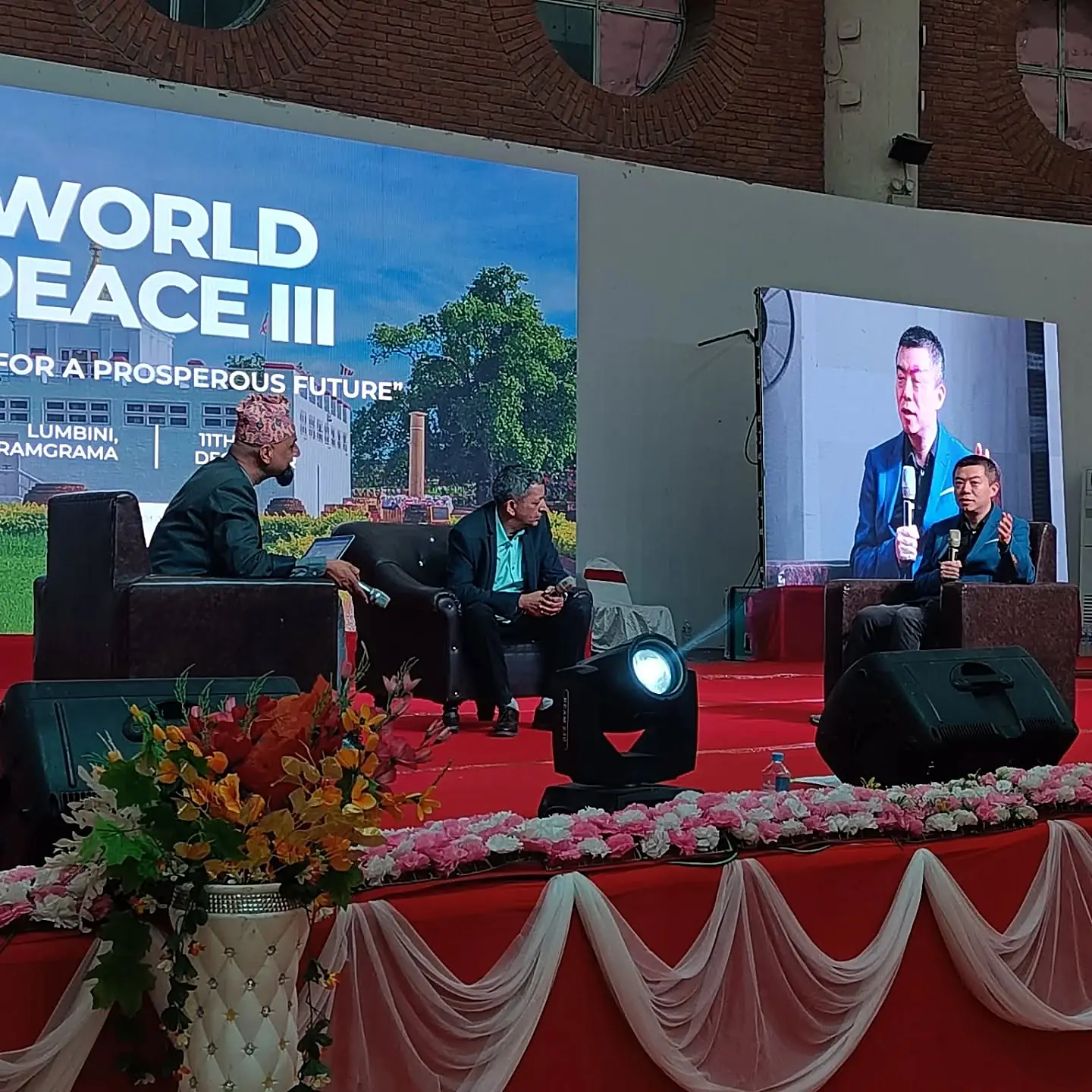
The third edition placed spiritual practice beside economic possibility. International investors, industrialists, public leaders and community voices were brought into the same programme, not to announce finished deals, but to explore long-term partnerships rooted in Nepal and accountable to the people of Lumbini and Ramgram.
The programme
A conversation about using powerful new technologies for human development rather than conflict, hatred or disconnection.
A proposition that Lumbini is not a stop on an itinerary but a living centre for learning, culture, community and longer, more meaningful journeys.
A practical examination of natural resources, carbon reduction and the possibility of a just transition that creates value locally.
What moved beyond the stage
Delegations from China, India, Vietnam and Indonesia joined discussions on investment, cross-sector collaboration and long-term partnership. The Program framed capital as a tool that must be connected to place, law and community benefit.
The organisers publicly acknowledged that earlier editions had not worked closely enough with local communities and businesses. World Peace III increased local participation and carried forward an improved-cookstove carbon initiative for nearby residents.
Wuluohai, a UN cultural peace ambassador, Nepali musicians and artists brought music and performance into the forum. The programme treated culture not as an interlude, but as another way people cross borders.
The questions before us
Four subjects · Two ways of meeting them
The World Peace Program holds difficult subjects in two registers. We begin with prayer, attention and shared presence. Then we enter the work: evidence, disagreement, responsibility and action.
How can protection become prosperity?
A blessing for the earth, its waters and every life held within them.
Climate responsibility, Nepal’s carbon economy, a just transition and value that remains with local communities.
What should intelligence be for?
A contemplative pause for attention, wisdom and human responsibility.
Ancient intelligence beside artificial intelligence, and how technology can serve development rather than hatred, conflict or disconnection.
How do we stand with a country in grief?
Collective prayer for those lost, displaced or rebuilding, and for the people carrying relief to them.
Preparedness, climate resilience, dignified recovery and the responsibility to protect communities living with increasing risk.
How does a cycle of violence end?
An interfaith prayer for civilians, the displaced and every life touched by war.
The patient work of listening, negotiation, reconciliation and leadership that refuses to surrender to division.
Global voices
Experience carried across borders
The Program and the wider work around Lumbini bring statesmanship, spiritual knowledge, culture, design and enterprise into one public conversation about peace.
 01
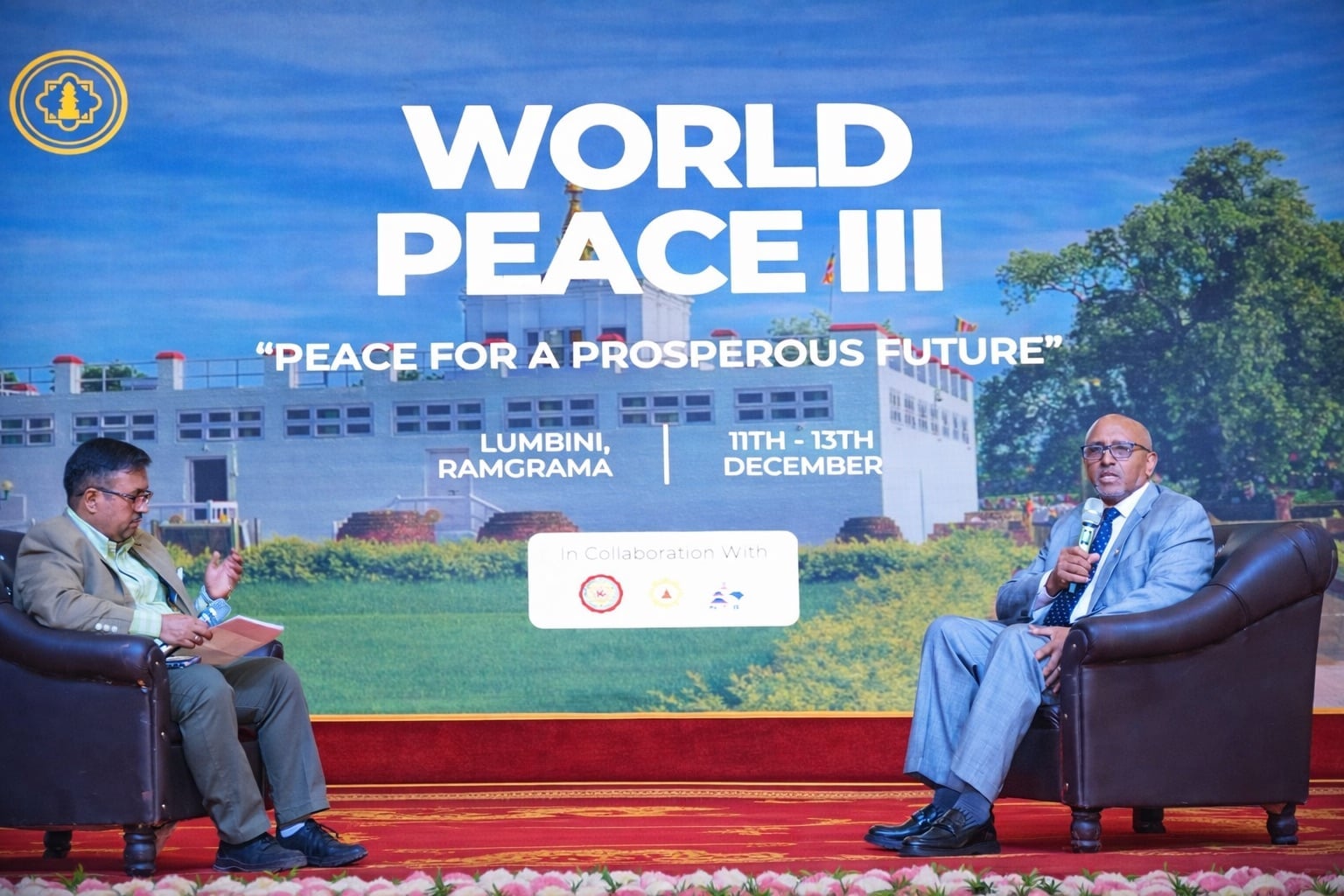
In person · World Peace III
Former Prime Minister of Ethiopia
Drawing on a life shaped by war, government, imprisonment and spiritual transformation, Layne spoke about humble leadership, dialogue, community empowerment and the responsibility to use technology for development rather than division.
Source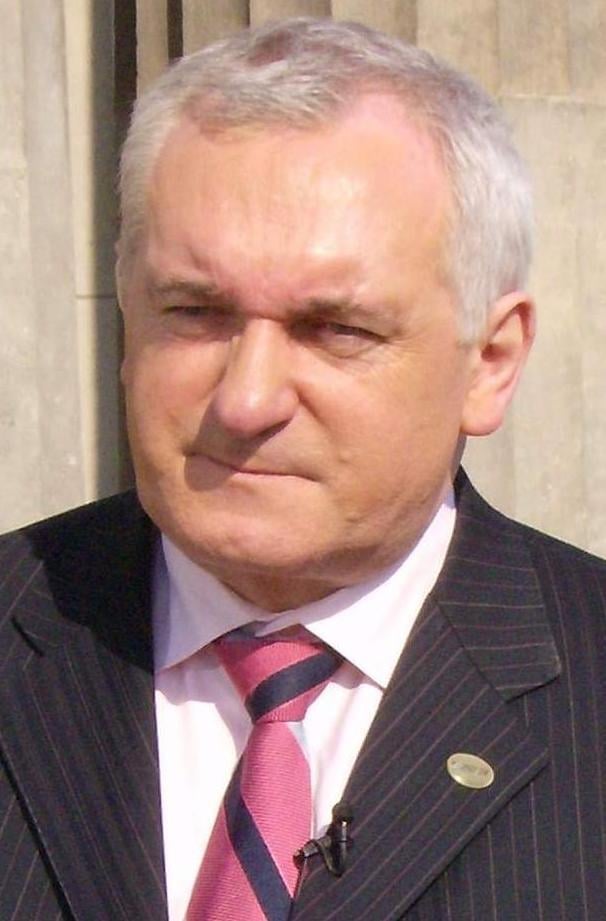 02
Recorded address · World Peace II
Former Taoiseach of Ireland
A principal architect of the Good Friday Agreement, Ahern brought the experience of negotiated peace into the Program through a recorded message: evidence that reconciliation is painstaking, political and possible.
 03
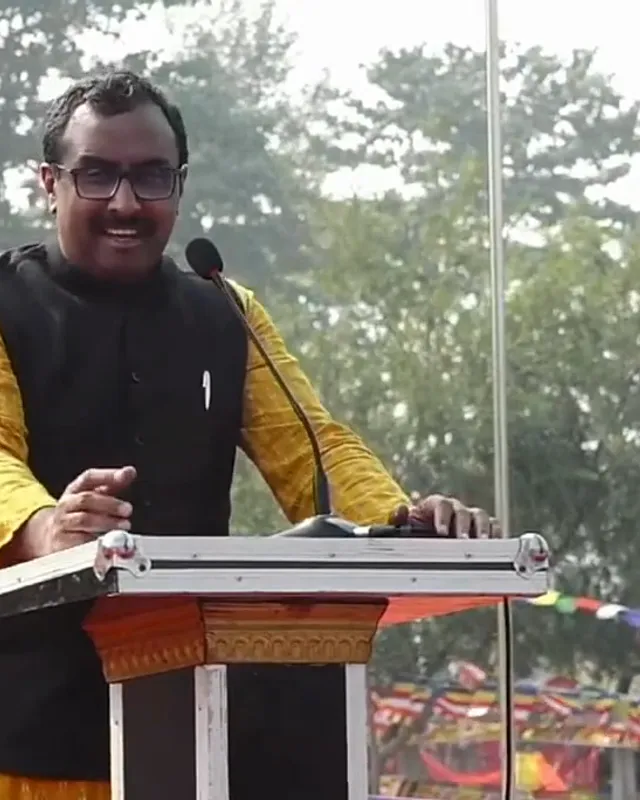
Policy voice · India
President, India Foundation
A public thinker and institution-builder, Madhav brings a regional lens to civilizational dialogue, pluralism and the structures that make peaceful cooperation possible.
Source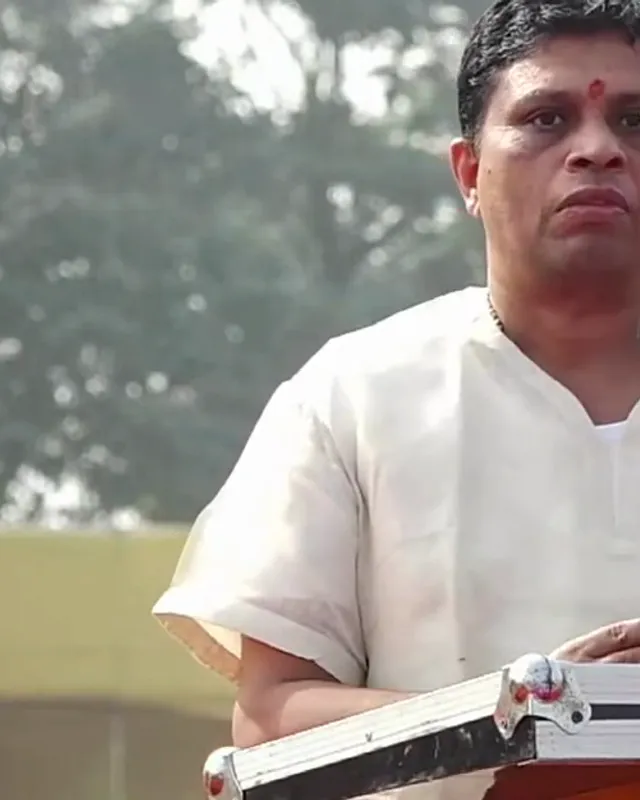 04
Wellbeing & enterprise · Nepal / India
Co-founder, Patanjali Ayurved
Nepal-born Balkrishna connects Ayurveda, research, biodiversity and enterprise, expanding the conversation about prosperity into human and planetary wellbeing.
Source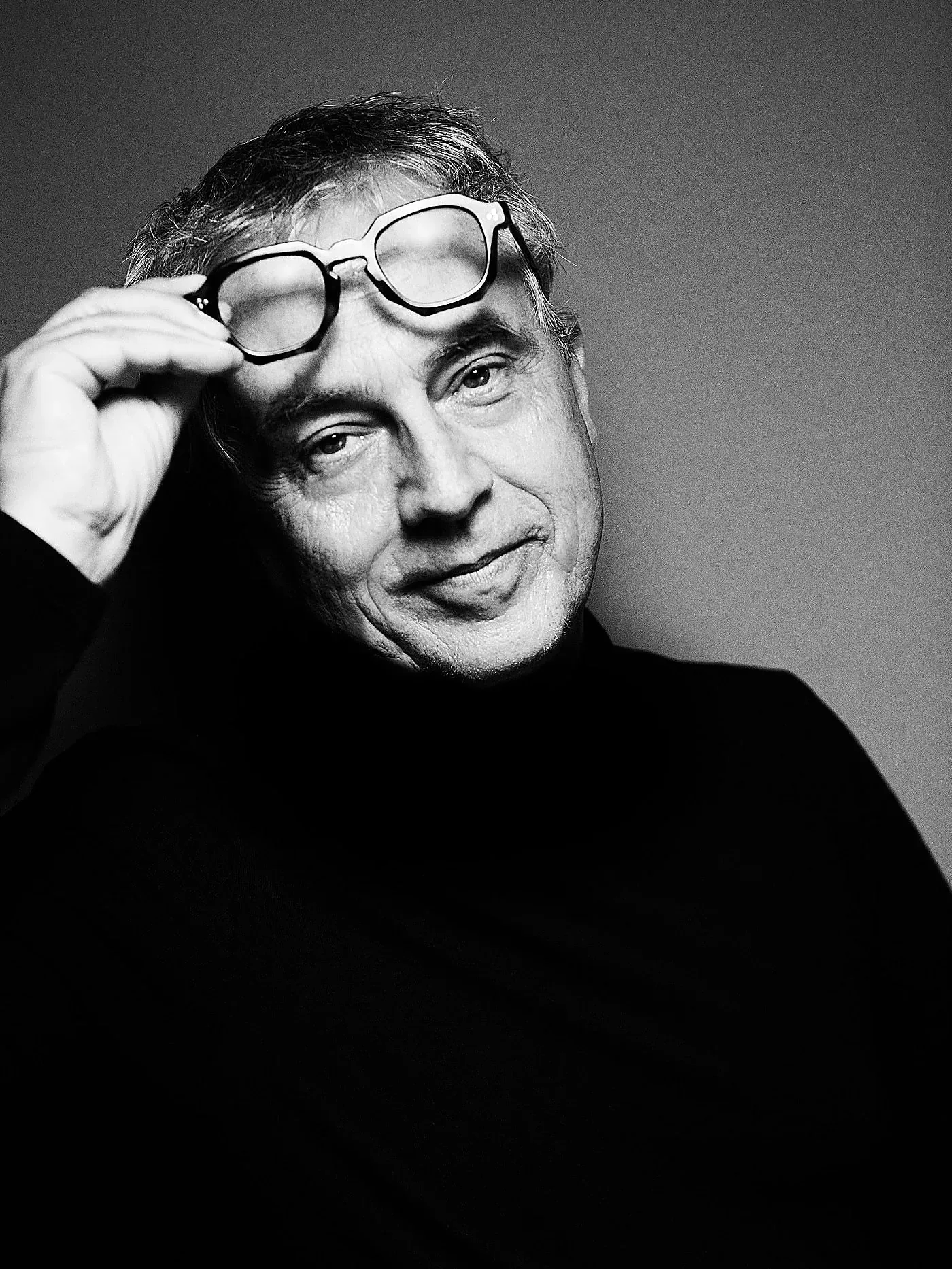 05
In person · World Peace I
Architect, Ramagrama Masterplan
Boeri unveiled a masterplan that refuses to compete with the sacred mound: a landscape of meadow, native planting, pilgrimage and collective contemplation.
 06
Lumbini visit · October 2023
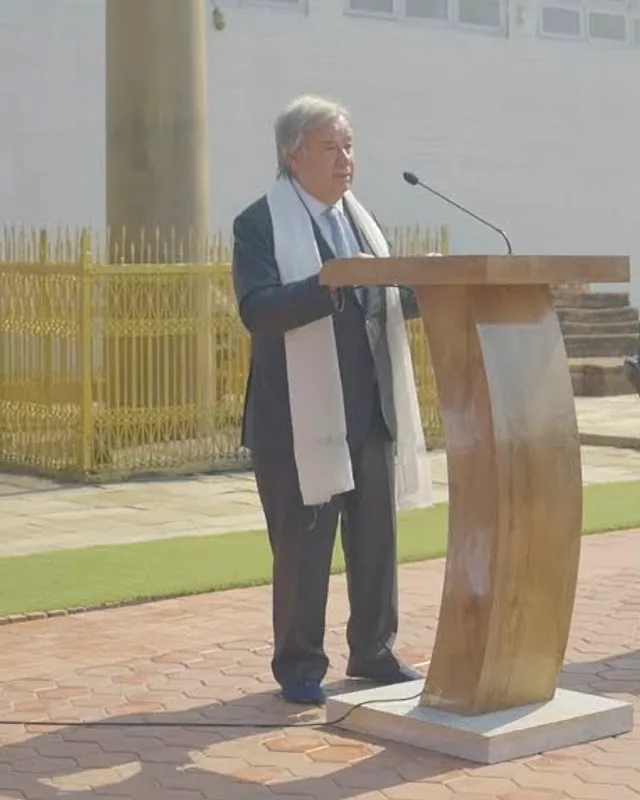
Secretary-General, United Nations
At Lumbini, Guterres called the birthplace of the Buddha a place of spirituality, serenity and peace, and used that ground to renew a global appeal for peace.
Source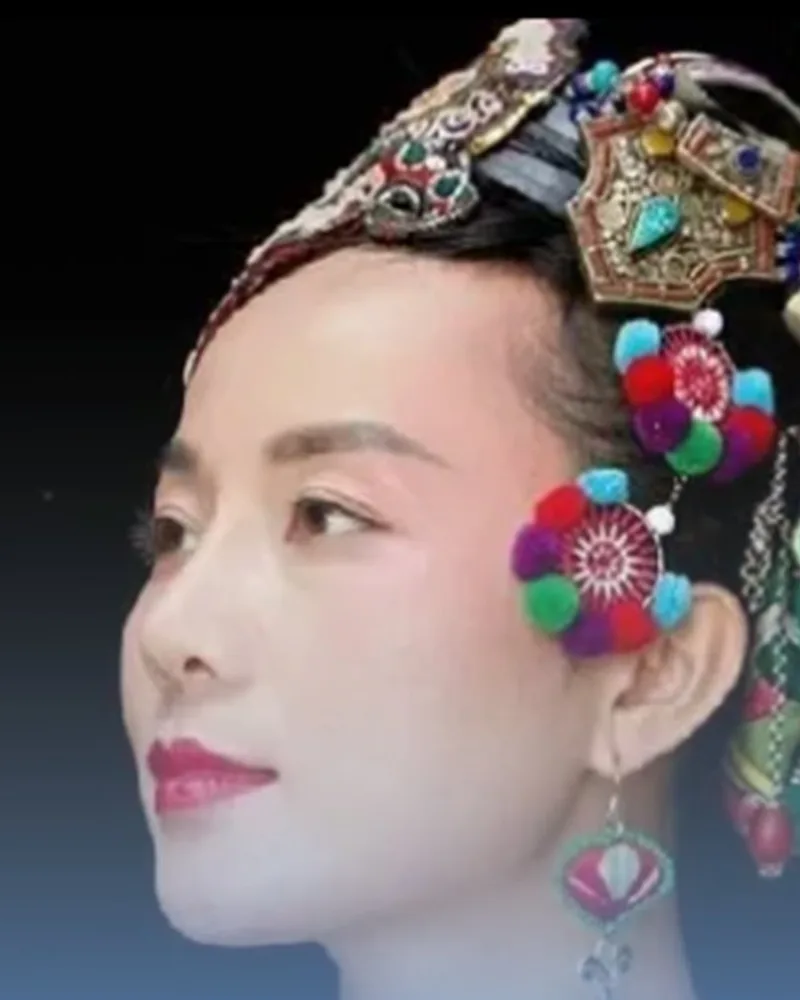 07
Performance · World Peace III
UN Cultural Peace Ambassador & Artist
Through performance, Wulo Hai brought unity, compassion and non-violence into the gathering, making culture part of the peace dialogue rather than an interlude from it.
SourceThe wider room
UN cultural peace ambassador and international artist
Performance and cultural exchangeActor and public figure
Keynote on conflict, hope and the capacity for happinessCEO, Treasure Carbon Group
Carbon economy and sustainable developmentResidents, youth, women, schools and civic groups
Participation, lived experience and local prioritiesThe public record
Reporting across the World Peace Program
Announcements, interviews, arrivals, debates and the final report: the Program’s public history is gathered here as a browsable press archive.
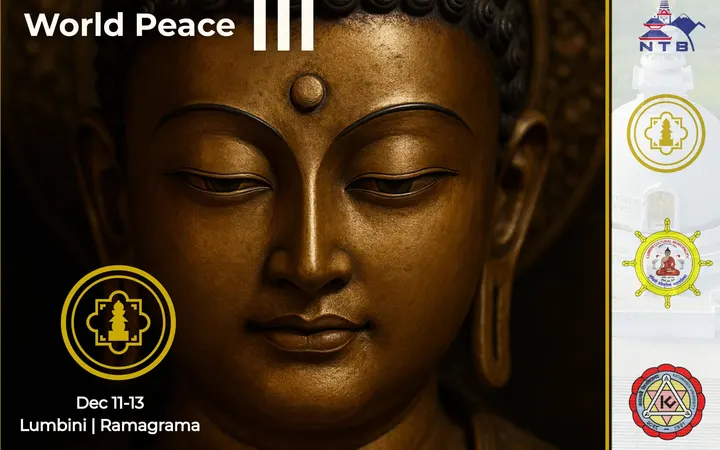
Onlinekhabar · 1 Dec 2025
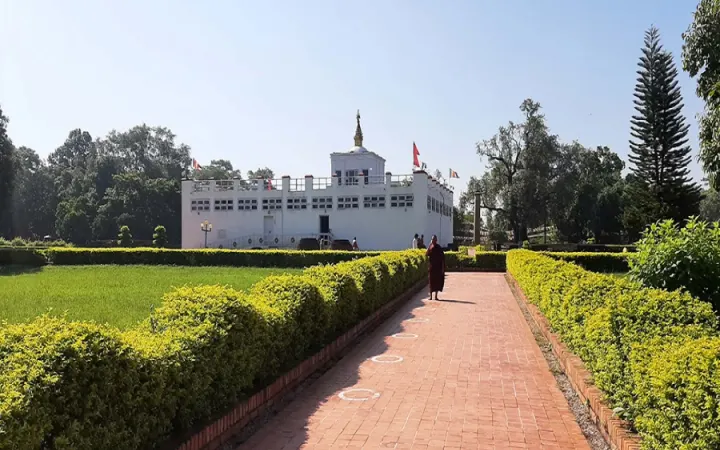
myRepublica · 1 Dec 2025
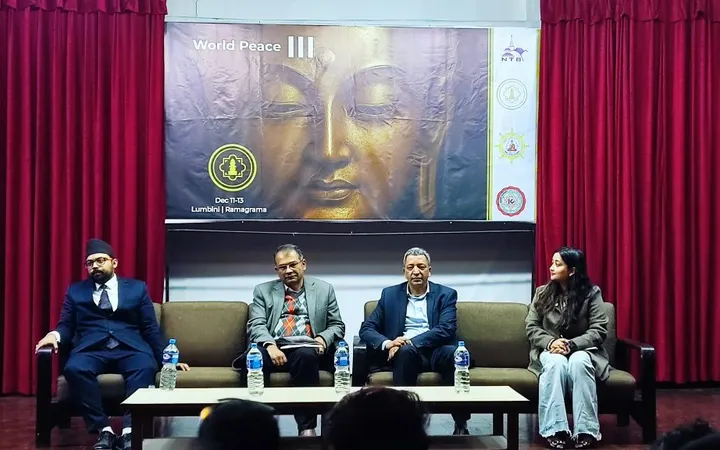
Tourism Info Nepal · 2 Dec 2025
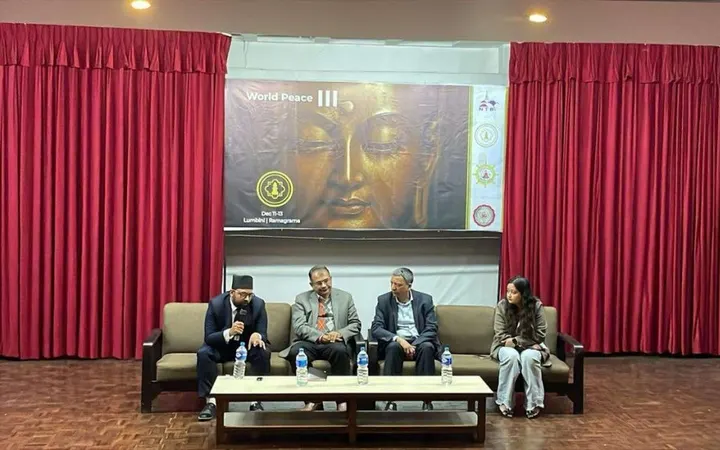
Pardafas · 2 Dec 2025
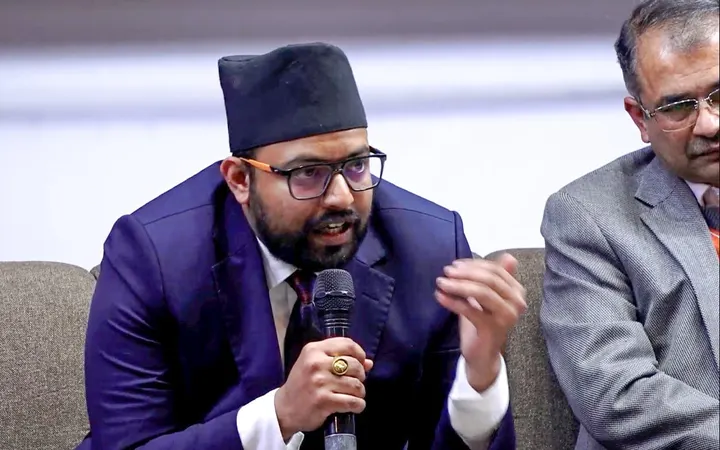
Clickmandu · 2 Dec 2025
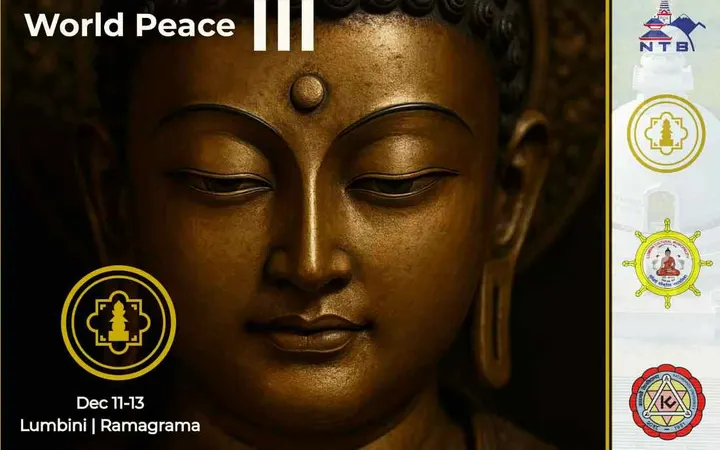
Tourism Mail · 2 Dec 2025
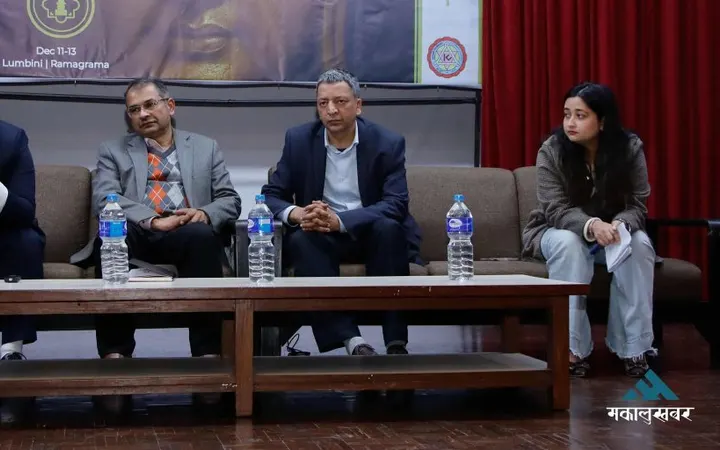
Makalu Khabar · 2 Dec 2025
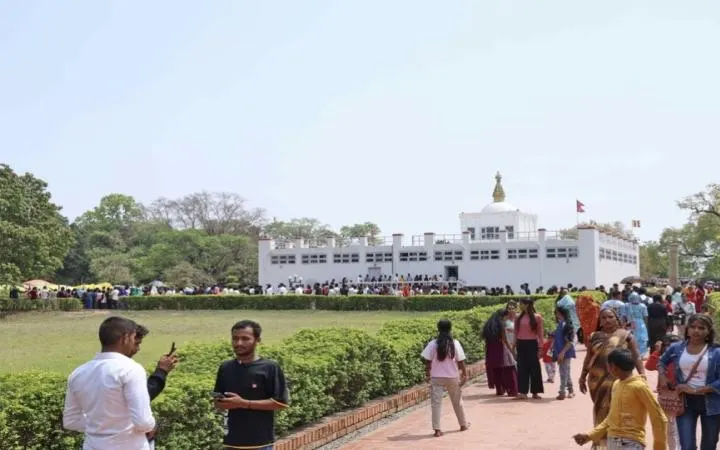
Headline Nepal · 2 Dec 2025
Nepalnews · Dec 2025
Tourism Mail · 3 Dec 2025
Nepal Khabar · Dec 2025
The Himalayan Times · 4 Dec 2025
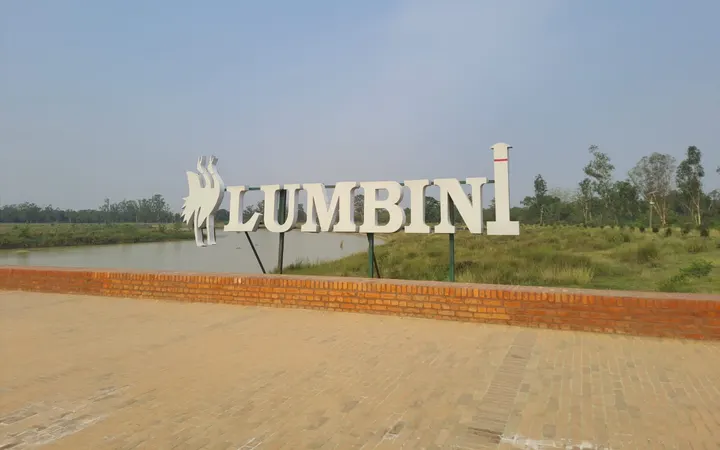
The Tourism Times · 4 Dec 2025
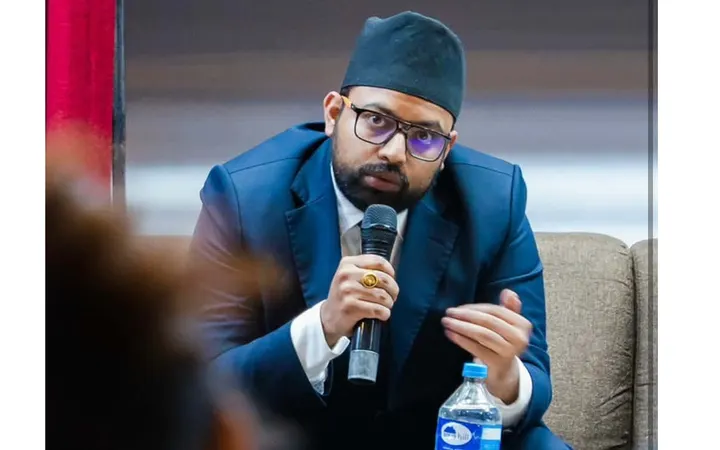
Nepal Samaya · 7 Dec 2025
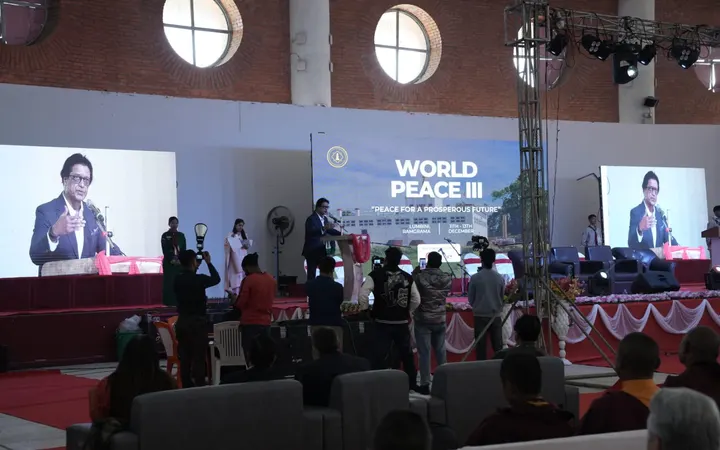
Onlinekhabar · 11 Dec 2025
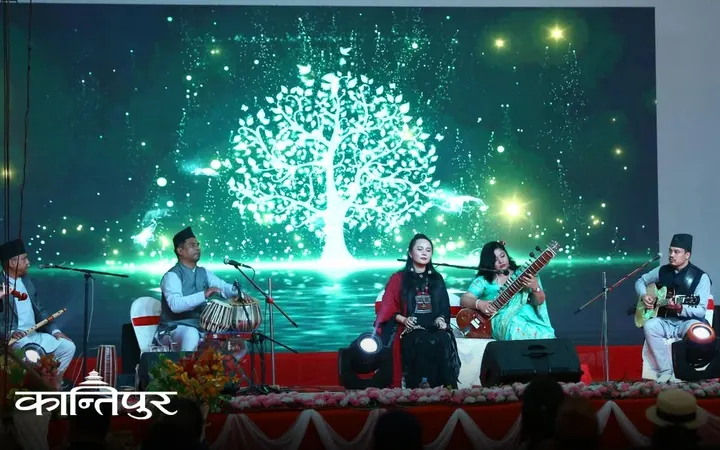
Ekantipur · 13 Dec 2025
Scroll horizontally to explore 16 independent articles. Each card opens the original publisher.
The next chapter
Expressions of interest openThe Promised Land presents
The next light
is ours to carry.
We invite you to be part of the next World Peace Program. Come with your questions, your experience, and your willingness to listen.
Venue, speakers and the full program will be announced here.
Your invitation
A gathering is made by the people who come.
We would like you to be one of them.
An invitation to attend, contribute, collaborate or tell the story.
Before we gather
World Peace IV will take place on December 12, 2026. The detailed schedule and arrival times will be announced here.
The Program is rooted in Ramagrama and Lumbini, Nepal. Exact venues and arrival instructions for the fourth edition will be shared when confirmed.
Your RSVP records your interest in attending and gives the organizing team your contact details. It is not a ticket or a confirmed place. Attendance arrangements, capacity and any costs will be announced separately.
Yes. Select how you would like to participate in the RSVP form. You can add your organization and a short note so the team understands your interest.
Please wait for confirmed venue and attendance information before making travel arrangements. This page will carry the practical details as they are finalized.
The Promised Land collects the details you submit to organize World Peace IV and respond to your interest. Please share only information needed for your participation. Your RSVP does not subscribe you to unrelated marketing. To request a correction or removal, contact hello@thepromisedland.org with your RSVP reference.